 Main menu

Vegas Myths Busted
VEGAS MYTHS RE-BUSTED: The End of the Penny Means the End of Penny Slots
Posted on: March 27, 2026, 07:21h.
Last updated on: March 26, 2026, 03:28h.


EDITOR’S NOTE: “Vegas Myths Busted” publishes new entries every Monday, with a bonus Flashback Friday edition. Today’s entry in our ongoing series originally ran on June 9, 2025.
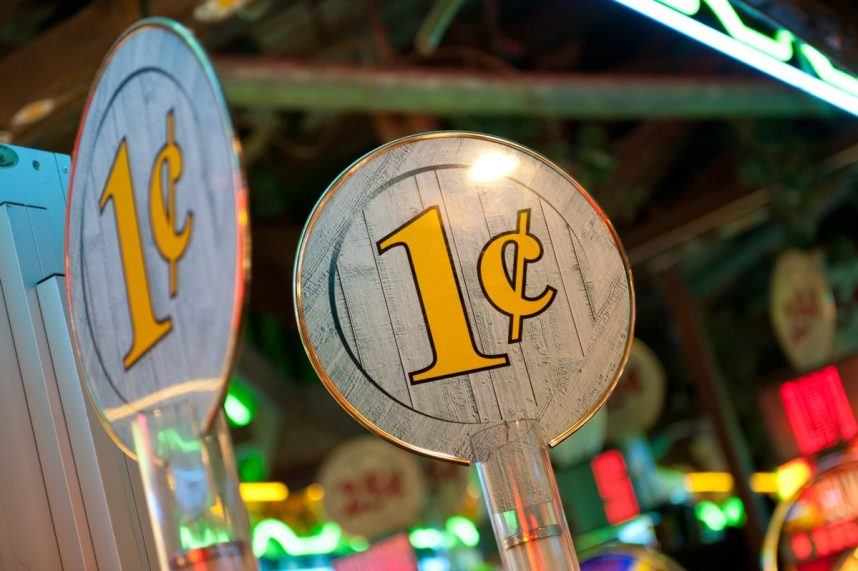
What casinos call penny slots today are multi-line betting systems that accept paper money or tickets for payment and issue only digital credits as payouts. Their name derives from their minimum bet of one cent per payline, but that’s a ruse because players must bet on multiple paylines simultaneously to activate a spin.
Myth Understood
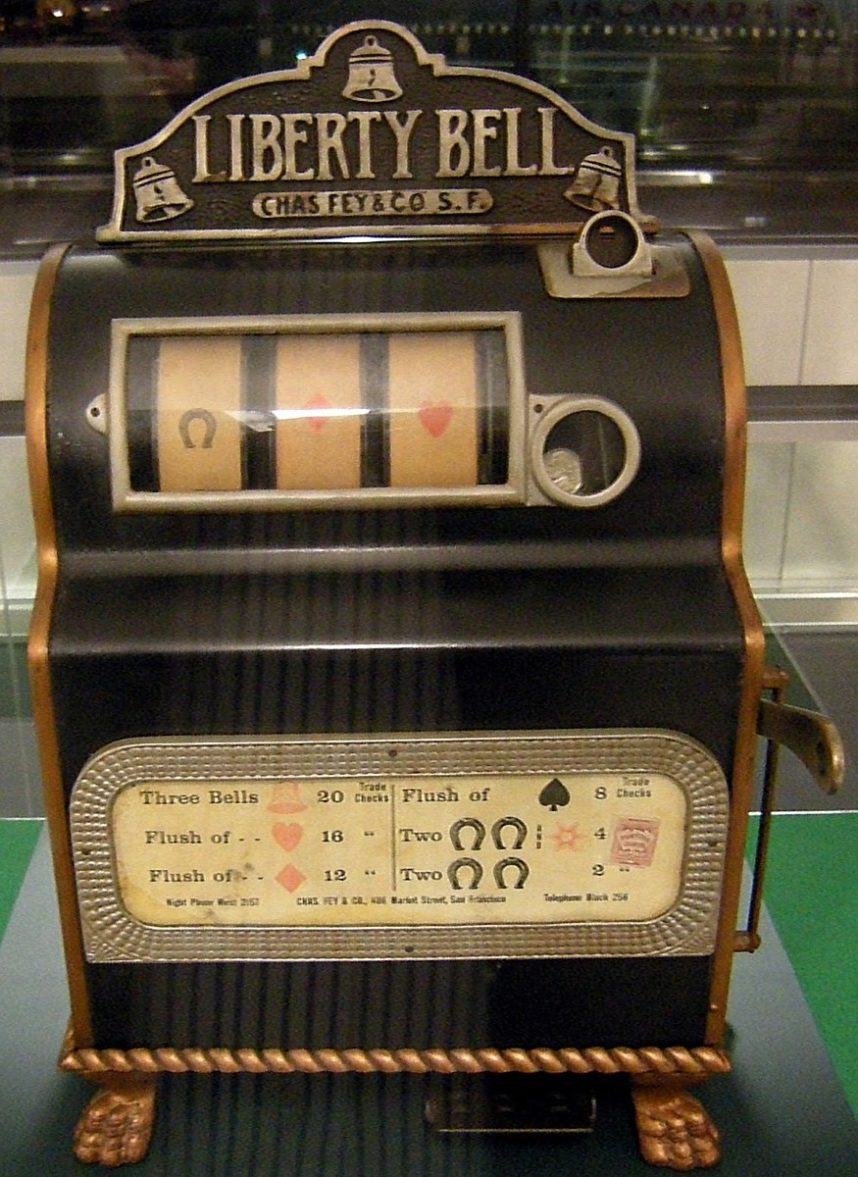
Even back when Nevada first legalized gambling in 1931, it was exceedingly rare to find a Las Vegas slot machine offering a pull for a penny. From the very first modern slot, the Liberty Bell — designed in 1895 by San Francisco inventor Charles Fey — a nickel was the least valuable coin accepted. (Its jackpots paid out up to $1.)
Penny slots were a thing, but mostly in penny arcades, which circumvented gambling laws by offering non-monetary jackpots such as candy, trinkets or gum.
Though penny-activated slots may have existed in some early Las Vegas casinos (hours and hours of research yielded no answer to this question, unfortunately), most operators eschewed them because they required more coin-handling to generate less profit, and their jackpots were limited.
Regardless of how many once existed in Las Vegas, by the mid 1970s, that number was zero.
A Pretty Penny
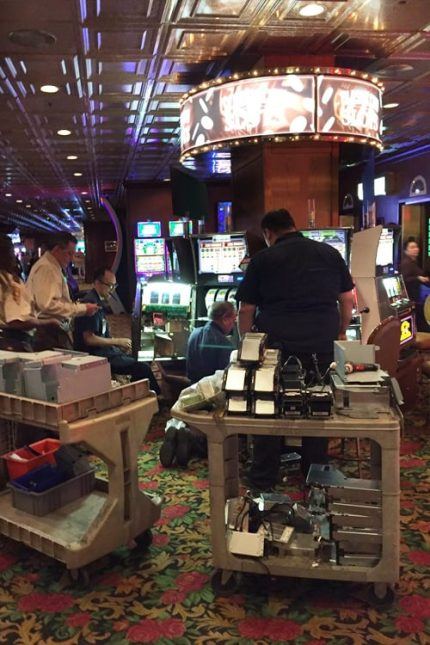
Slot manufacturers pretended to bring penny slots back in in the ’90s, with the electronic and video slot machine games still dominating casino floors today.
But these machines are built on a series of deceptions.
First of all, none accept pennies or any other coins — though they still simulate the sound that coins once made when they kerplunked into big plastic jackpot barrels that casinos once gave away for free.
Also, their penny-per-payline marketing ploy creates the perception that these machines are cheaper or lower-risk than higher-denomination machines when exactly the opposite is true.
Modern penny slots require multiple paylines (typically 25–300) to activate, making each spin cost between 25 cents and three dollars.
They also pay out less (a 87.5-91% return-to-player average vs. 94-97% for higher-denomination machines). This is what makes them profitable to casinos despite their lower per-line bets.
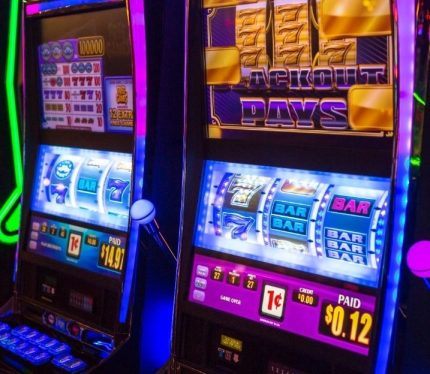
In fact, last year, gamblers fed Nevada’s penny slots (listed in Nevada Gaming Control Board data as “multi-line electronic slots”) to the tune of $25.64 billion, generating $2.4 billion in revenue.
That was a whopping 22.8% of the state’s $10.52 billion in total 2024 slot revenue. And it’s why the penny slot is likely to continue after the penny’s demise.
Of course, their paylines will need to immediately be recalibrated to five-cent increments, as was seen in Canada after it eliminated its penny in 2012.
But whether slot manufacturers will choose to rename them as nickel slots remains to be seen. As long as most slot players continue associating the word “penny” with the cheapest possible price, there’s really no incentive to stop misleading them.

 Most Read

Another Shooting Near Las Vegas Strip Casino Injures Man
 972,667 views
Vintners Oppose Napa Valley Casino
556,272 views


Conversation (2 comments)