 Main menu

Prediction Markets
Minnesota Moves to Ban Prediction Markets. Does the State Have the Authority?
Posted on: May 15, 2026, 10:09h.
Last updated on: May 15, 2026, 10:32h.


- Minnesota is set to ban prediction markets
- If Gov. Walz signs the bill passed by the Legislature, the Commodity Futures Trading Commission (CFTC) is likely to contest the law
Minnesota is expected to become the first state to ban prediction markets, with the move likely to trigger a legal battle over whether the state has the power to ban a federally permitted financial industry.
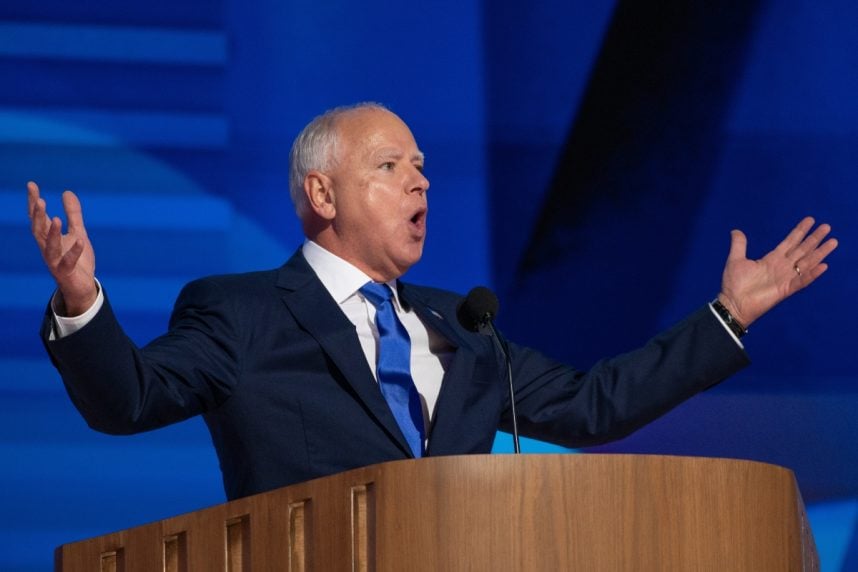
On Tuesday night, (May 12) the Minnesota Legislature forwarded a public policy bill that includes a ban on prediction markets. Such online trading exchanges are regulated by the Commodity Futures Trading Commission (CFTC), an independent agency of the US government.
Prediction markets aren’t new. They date back to the 1970s, when the CFTC was formed and traders began taking positions on futures, options, and swaps.
Traditional prediction market trading included the buying and selling of shares related to agricultural commodities, foreign currencies, and government securities. It’s only been in recent years that prediction markets began offering trading on cultural events, politics, and, as of last year, sports.
Critics say prediction markets have ventured into gambling. But the CFTC has maintained under the second Trump administration that the new offerings are “innovative financial products” that allow traders to use their knowledge, expertise, and foresight to their financial advantage.
Legal Fight Expected
Should Minnesota Gov. Tim Walz (D) sign the bill that would make prediction markets illegal, the CFTC and its prediction market licensees are likely to challenge the law in federal and state courts. The CFTC maintains that federal law allows it to regulate the Commodity Exchange Act, and states don’t have the power to dictate its rules.
States cannot circumvent the clear directive of Congress. As I’ve said repeatedly, the CFTC will not allow overzealous state governments to undermine the agency’s longstanding authority over these markets,” said CFTC Chair Michael Selig.
“If you interfere with the operation of federal law in regulating financial markets, we will sue you,” Selig warned.
Walz, who lost the 2024 presidential election as the Democratic Party’s VP nominee, might be up for the legal challenge against the Trump administration. Selig is the president’s hand-picked man for the CFTC job, and under his tenure, he’s strongly backed sports trading on sites like Kalshi and Polymarket, companies both of which pay Donald Trump Jr. to serve as a “strategic advisor.”
Trump Jr. is also an investor in Polymarket. And Trump Media remains committed to its own prediction market entry called Truth Predict.
Most Lose on Prediction Markets
An investigation by The Wall Street Journal concluded that just 0.1% traders on Polymarket account for 67% of the money made on the exchange. On Kalshi, the overwhelming majority of traders are losers, too.
The WSJ probe found that there are 2.9 unprofitable users for each profitable trader.
“Casual traders are bleeding cash while a small number of sophisticated pros, including trading firms with access to vast streams of data, eat their lunch,” the WSJ concluded.

 Most Read

Another Shooting Near Las Vegas Strip Casino Injures Man
 972,546 views

Vintners Oppose Napa Valley Casino
556,169 views




Conversation (0)
Be the first to comment on this article.