
Mid-Atlantic Becoming iGaming Mecca, as Maryland Joins Virginia in Considering Online Casinos
Posted on: February 13, 2026, 08:23h.
Last updated on: February 13, 2026, 08:23h.

- Maryland is the latest Mid-Atlantic state to consider iGaming
- Virginia is also reviewing an online casino bill
- Four Mid-Atlantic states already have regulated online casinos
The Mid-Atlantic is already an iGaming hub, with online casinos legal in Delaware, New Jersey, Pennsylvania, and West Virginia. The region could soon become even more saturated with internet slot machines and table games.
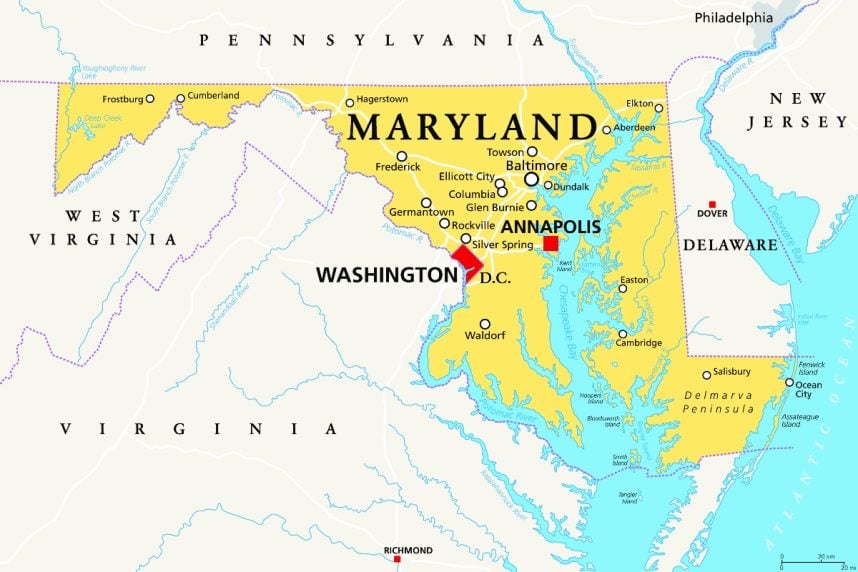
The Mid-Atlantic is traditionally defined as New York, New Jersey, Pennsylvania, Delaware, Maryland, Virginia, and West Virginia. With four of the seven states already home to regulated iGaming, two more could join the fray in the coming months.
Maryland followed Virginia this week in introducing iGaming legislation. Sen. Ron Watson (D-Prince George’s County) is behind Senate Bill 885, a measure that would allow the state’s six casinos and physical sportsbook operators that additionally run an online wagering platform to pursue iGaming licenses.
Each online casino skin would cost $1 million upfront for a term of five years. If a platform opts only for online table games or bingo, the fee is $500,000. Minority and so-called “social equity” applicants could also pursue iGaming licenses at reduced costs.
SB885 did not propose a tax rate for iGaming revenue. The bill has been directed to the Senate Budget and Taxation Committee, where it’s slated for a March 11 hearing.
Maryland Voter Approval Needed
The Maryland Constitution limits the powers of the General Assembly when it comes to new forms of gambling. The state’s legal framework mandates that only voters can authorize additional gambling, meaning even if SB885 were to pass, the outcome would rest with the people.
The last time a statewide gaming referendum was presented to voters was in 2020, when Question 2 passed easily with 67% support. The ballot initiative asked Marylanders if they support “authorizing sports and event wagering” online and at casinos and other brick-and-mortar facilities to fund public education.
Maryland’s intent to provide social equity through sports betting resulted in a lengthy delay of bets going live online. The state’s sports betting bill, which required a “disparity analysis” to determine if Maryland’s gaming industry had resulted in any sort of discrimination that warrants giving preference to minority applications for sports betting, dragged the online sportsbook licensing process out for years.
Does iGaming Kill Jobs?
Casinos have differing opinions on whether iGaming is bad for brick-and-mortar business. Baltimore-based Cordish Companies, which runs Live! Casino & Hotel Maryland, is adamantly opposed. Churchill Downs, which manages Ocean Downs Casino in Berlin, is, too.
Watson’s SB885 would provide protections against possible job losses during the initial 12 months of legal iGaming in Maryland.
During the first year of iGaming, up to $10 million in online casino taxes would be set aside for the Video Lottery Facility Employee Displacement Fund. The would-be created state fund would be used to “support video lottery facility employees who are displaced by the implementation of internet gaming.”In Maryland, casinos are called “video lottery facilities.”
About 31% of casino revenue goes to the state’s Education Trust Fund. Local aid accounts for 5.3%, horse racing receives 3.8%, and small, minority, and women-owned businesses get 1%. About 57% is retained by the casinos, and the remaining money is split between responsible gaming programs and lottery regulatory expenses.
No comments yet