
Menominee Indian Tribe Says Environmental Assessment for Kenosha Casino Favorable
Posted on: March 13, 2026, 03:23h.
Last updated on: March 13, 2026, 03:23h.

- Hard Rock Kenosha has fielded a favorable Environmental Review
- The EA was handled by the Bureau of Indian Affairs
- The EA moves the tribal casino project closer to federal approval
Wisconsin’s Menominee Indian Tribe says it has fielded a favorable Environmental Assessment (EA) from the Bureau of Indian Affairs for its casino proposal in Kenosha.
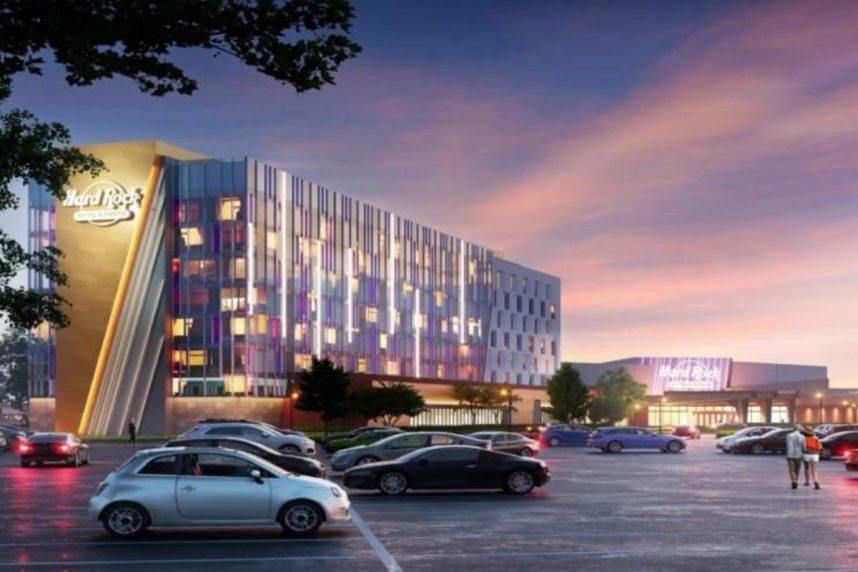
On Friday, the Menominee Indian Tribe revealed that the federal agency under the US Department of the Interior concluded that its proposed casino resort would have minimal environmental repercussions. The Menominee is partnered with Hard Rock International on the $360 million project. Hard Rock is owned by the Seminole Tribe of Florida.
The EA found that the construction and operation of a casino resort on roughly 60 acres of land near Interstate 94 in Kenosha would result in an “insignificant” impact on air quality. The federal review, which took more than a year to complete, additionally found that the undertaking would not impact wetlands or other protected aquatic resources.
This is a long-awaited opportunity, and we are excited to have arrived at the next phase in this process. The EA release marks an important step forward for our tribal members, the people of Kenosha County, and all of Wisconsin. This project will deliver significant, local economic impact, create more than 1,000 permanent jobs in the final phase of the project, and support families and businesses across the region,” said Menominee Tribal Chairman Joey Awonohopay.
The Menominee has been seeking federal and state approval to build a Class III gaming resort in Kenosha for more than a decade. The Menominee and Hard Rock have a deal in place with the City of Kenosha to purchase the former Dairyland Greyhound Park racetrack property for $15 million, should all approvals be secured for the project.
Hard Rock Hotel & Casino Kenosha
The Hard Rock Hotel & Casino Kenosha blueprint includes a 150-room hotel, a 2,000-seat Hard Rock Live concert venue, seven restaurants and bars, and a casino floor with 1,500 slot machines, over 50 live dealer table games, and a sportsbook.
Hard Rock Kenosha would be a tribal endeavor. While the Menominee’s reservation in Keshena is more than 150 air miles north, the tribe has historical claims to much of Wisconsin, including Kenosha.
A favorable Environmental Review is a significant step in the BIA and DOI taking newly acquired tribal lands into the federal trust. That would allow the Menominee and Wisconsin Gov. Tony Evers (D) to enter into a Class III gaming compact to permit Las Vegas-like gaming at the Hard Rock property.
Evers’ predecessor, Republican Scott Walker, was unwilling to negotiate a Class III gaming compact with the Menominee on concerns that a casino in Kenosha would negatively impact the Potawatomi Tribe’s casino in Milwaukee.
Evers, who defeated Walker during the 2018 gubernatorial election and has served as governor since, will not seek a third term, meaning he’ll exit office in January 2027. Wisconsin does not impose term limits on governors.
Evers has expressed more willingness for a Hard Rock Kenosha compact, saying that “all tribal nations have the right” to pursue tribal casinos on their federally-recognized lands.
City Support
The Kenosha casino environmental review now enters a public comment period. But city officials are optimistic that the findings will propel the project forward.
This project has been a long time coming for Kenosha, and it’s exciting to see it move closer to reality,” said Kenosha Mayor David Bogdala. “The Hard Rock development brings new growth to Kenosha, creating jobs, attracting investment, and strengthening our community. This is a project that’s good for Kenosha, good for the region, and good for the State of Wisconsin.”
The city’s deal with the Menominee and Hard Rock, in addition to the $15 million payment for the property, includes the casino paying Kenosha $100,000 annually through the first three years. The local privilege fee climbs to $1 million for years three to eight, and to $2.5 million onward. The city would also receive a small percentage of the casino’s gross revenue.
No comments yet