
Golden Pony Casino Power Struggle Heads to Oklahoma Supreme Court
Posted on: December 15, 2025, 11:15h.
Last updated on: December 15, 2025, 11:50h.

- Tribal leadership dispute escalates after casino closure and court intervention
- Rival factions clash over authority, elections, and control of tribal assets
- Oklahoma Supreme Court to decide limits of state jurisdiction
A power struggle that shut down the Golden Pony Casino is headed to the Oklahoma Supreme Court, where rival factions of the Thlopthlocco Tribal Town will argue that state courts have no authority to intervene in an internal tribal leadership dispute.
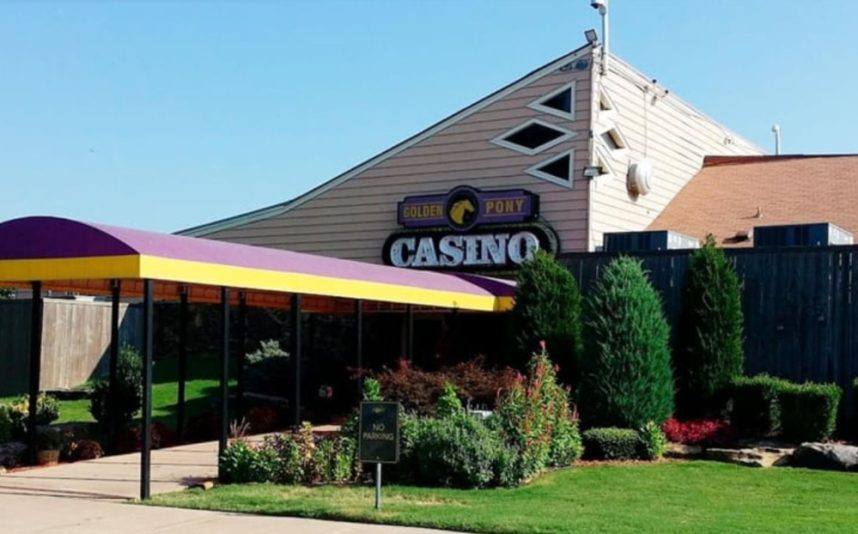
The Thlopthlocco Tribal Town (TTT) is a federally recognized Muscogee (Creek) tribe of around 1,000 members with its own sovereign government.
Casino.org reported last month that the tribe’s modest casino along Interstate 40 near Okemah was shuttered after a mysterious break-in, and this may have been related to an ongoing dispute between leadership and two rival leadership factions.
The Oklahoman reported Sunday that one of the primary reasons for the dispute is that the current leadership hasn’t called an election in 18 years.
Restraining Order
On October 27, Town King Brent Brown, the tribe’s elected leader, filed a petition order seeking emergency and permanent injunctions, and a declaratory judgment against the two opposing factions. Brown also asked the court to confirm which group represents Thlopthlocco’s legitimate governing authority. A temporary restraining order was granted the same day.
The two rival groups trespassed at government offices, threatened employees, and interfered with access to federal websites used by the Tribal Town, according to Brown’s court filing.
In October, one group turned up in the middle of a meeting of the Thlopthlocco Business Committee, the tribe’s governing body, and called for the immediate resignation of committee members. When the request was refused, the members of the group held an “unauthorized election” and declared themselves the new business committee, the documents stated.
This group, now calling itself the legitimate Thlopthlocco Business Committee, later confronted and threatened to fire tribal workers, and some were carrying rifles, according to the filing.
Separately, the other faction contacted the tribe’s bank, claiming to be the business committee in an attempt to gain control of tribal funds. This resulted in a freeze of the tribe’s finances until the dispute can be resolved.
Judicial Overreach
In their petition to the Supreme Court, the opposition groups argue that the lower court was acting “in clear excess of its jurisdiction and without any comparable basis in law by continuing to exercise authority over this inter-tribal dispute.”
The opposition groups want the higher court to confirm that state courts have no authority over such disputes and to vacate the lower court’s order.
A hearing on the case is scheduled for December 16.
No comments yet