
Fairfax County, Which Opposes Casino, Moves Forward With Meals Tax Surcharge
Posted on: December 17, 2025, 02:39h.
Last updated on: December 17, 2025, 02:58h.

- Dining out in most areas of Fairfax County will become more expensive in 2026
- The county is implementing a 4% tax surcharge on meals
- The county is opposed to a casino to help generate new tax revenue
Last week, Fairfax County in Northern Virginia formally opposed any effort on the state level to designate the affluent region for a casino. Some in Richmond, including those representing Fairfax, believe something must be done to fund the county’s ever-growing budget gap.
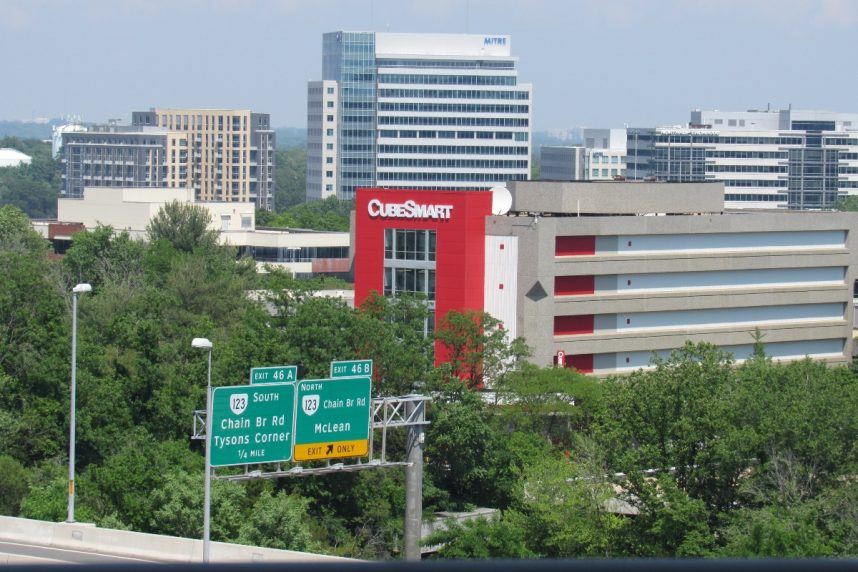
Fairfax County is projecting a $131.5 million funding shortfall for the upcoming fiscal year.
Despite being among the wealthiest counties in the nation, President Donald Trump’s reduction in federal government jobs has exacerbated the county’s fiscal problems. The county’s financial standing worsened during the COVID-19 pandemic, as many office buildings contested their property tax assessments.
Job growth has struggled in the county home to Tysons and McLean, which many Fortune 500 businesses call home. To help ease the local government’s fiscal woes, the Fairfax County Board of Supervisors is implementing a 4% surcharge on meals beginning Jan. 1, 2026.
Fairfax County Meals Tax
The meals and beverage tax applies to most restaurants and eateries in Fairfax County.
Effective January 1, 2026, Fairfax County will begin levying a tax on the purchase of all prepared food and beverages sold as a meal. The Food and Beverage Tax is 4% of the total cost of food and beverages sold by restaurants, caterers, or other designated establishments defined as a restaurant in the Code of Virginia,” the county website says.
A “meal” is defined as all food and beverages, including alcohol, sold for the purpose of consumption in or from a food establishment, whether prepared or consumed in the food establishment or not. The tax applies to food trucks, farmers’ markets, and grocery stores where prepared meals are sold.
The county meals and beverage tax doesn’t apply in the towns of Clifton, Herndon, or Vienna, or the cities of Fairfax or Falls Church, as they already have their own separate meals tax.
For large employers like Capital One, headquartered in McLean, the banking giant will need to pay a 4% surcharge on the many catering orders it receives each year. The financial corporation’s employees will pay 4% extra on their lunch, along with all the other workers in the country’s businesses.
Tax Hikes
The average single-family home price in Fairfax County is about $1 million. Property taxes have risen 50% over the past decade, making the county’s cost of living more difficult.
State Sens. Scott Surovell (D-Fairfax) and David Marsden (D-Fairfax) want to give residents the option of generating new tax revenue through gaming. They’re likely to support legislation next year to allow Fairfax County residents to vote on a casino project.
I have asked literally close to 100 to 150 people, somewhere in that range, to tell me, give me another idea, because just bringing in a national headquarters doesn’t mean we get their taxes for their manufacturing someplace else. It just doesn’t work that way,” Marsden said on The Politics Hour in May.
“Fairfax County has become a place where it’s not particularly appealing to young people in their 20s, 30s. They’re very much behind the casino concept,” Marsden added.
Marsden said putting the casino decision before voters is “the most democratic process you can imagine.” He says he doesn’t necessarily like casinos, but you “either compete or you die in this environment.”
No comments yet