
Surge in Identity Theft Linked to Online Betting Bonus Abuse
Posted on: February 16, 2026, 07:22h.
Last updated on: February 16, 2026, 08:27h.

- Identity theft fuels surge in online betting bonus abuse
- AI tools help fraudsters bypass gambling ID checks
- Operators report sharp rise in iGaming fraud schemes
The liberalization of online sports betting and casino gaming in the US has unleashed a tsunami of competitive advertising, as major operators vie to outspend one another for market share.
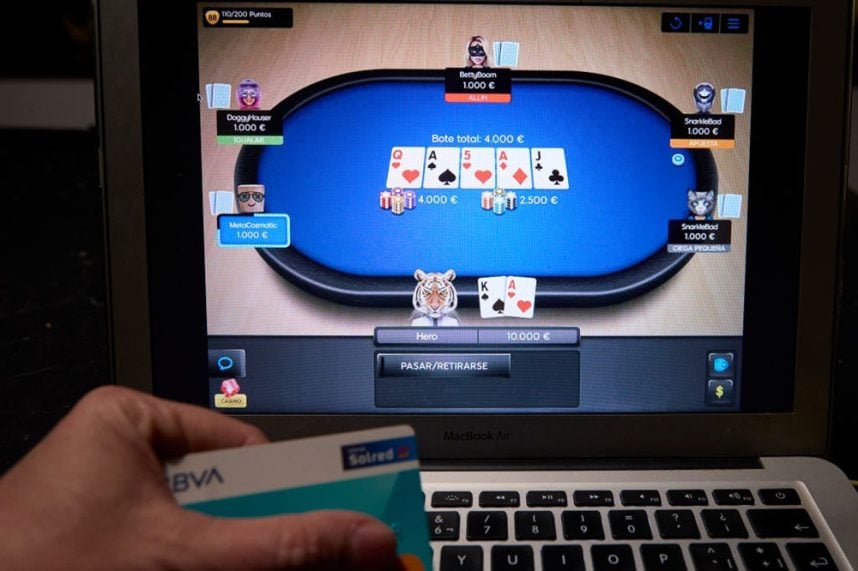
Each time a new state regulates betting, competitors such as DraftKings, FanDuel, and BetMGM descend with aggressive sign-up bonus campaigns aimed at capturing the largest possible share of new customers.
Sign-up bonuses are promotional incentives offered to new users when they open an account and make a first deposit, designed to drive acquisition and early engagement.
What’s Bonus Abuse in Online Gambling?
With that comes “bonus abuse,” where bad actors create multiple accounts to exploit those offers.
Because operators prohibit users from holding more than one account, bonus abusers often rely on stolen or synthetic identities — readily bought and sold on the dark web.
That means if your data has ever been compromised by a hacker, someone could, in theory, be using your name to gamble at an online casino right now.
According to the 2025 State of Identity Verification in the iGaming Industry report by Sumsub, roughly 65% of operators cite identity fraud as a major risk, while a similar share flag bonus abuse as a top concern.
Industry estimates suggest overall iGaming fraud has risen by around 60% over the past two years, with more than four in five operators reporting an increase in fraud during 2024. Bonus abuse is believed to account for roughly two-thirds of reported fraud cases in the sector, with operators losing up to 15% of promotional budgets to such schemes.
How AI Is Helping Fraudsters Bypass Gambling ID Checks
Once a bonus abuser obtains personal details, they can use background-check sites such as BeenVerified.com or TruthFinder.com to gather additional data to help pass verification systems. Increasingly, fraudsters are also deploying AI tools to fabricate supporting documents or manipulate images and video in attempts to defeat automated know-your-customer and liveness detection checks.
Arrests are rare, but they do happen. Earlier this month, two Connecticut men were charged with fraud, identity theft, and money laundering offenses in connection with an alleged $3 million scheme targeting online gambling operators. Prosecutors say they used the personal information of approximately 3,000 victims to open fraudulent gambling accounts.
How to Protect Yourself
If you suspect your identity has been used to open a gambling account, you should immediately secure your email and financial accounts by changing passwords and enabling two-factor authentication.
You should review bank statements for unfamiliar transactions and obtain copies of your credit reports for signs of suspicious activity, even though gambling accounts themselves typically do not appear as credit lines.
In the US, placing a free fraud alert or credit freeze with the major credit bureaus and filing a report with the Federal Trade Commission creates a formal record of identity theft. You can also contact the gambling operator’s fraud team directly to request an investigation and closure of any account opened in your name.
No comments yet