 Main menu

Tribal Gaming
North Fork Rancheria Vows to Open New Casino Despite State Supreme Court Blow
Posted on: April 17, 2026, 12:40h.
Last updated on: April 20, 2026, 04:38h.


- North Fork Rancheria continues casino construction despite California court setback
- Federal approvals cited as tribe challenges state authority over gaming rights
- Voter rejection and rival tribes fuel ongoing legal and political fight
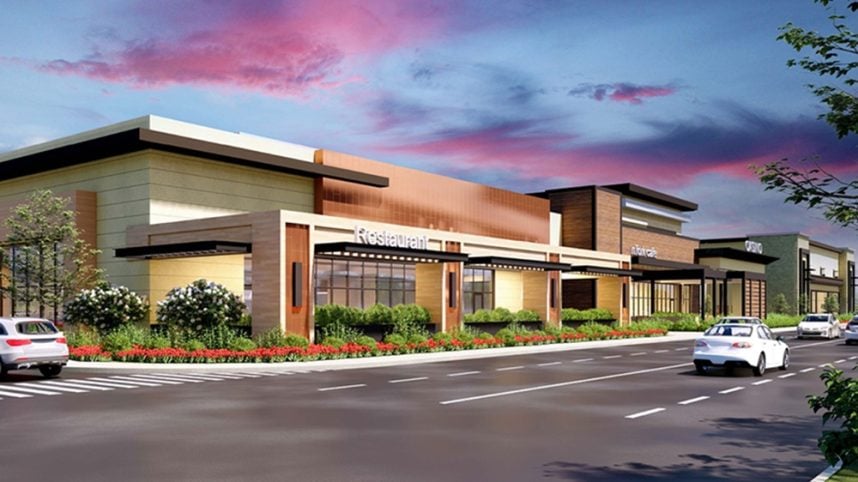
The North Fork Rancheria will “press on” with its $400 million Madera casino, defying a recent state Supreme Court ruling that the project is unauthorized.
In 2021, California’s 5th District Court of Appeal then-Gov. Jerry Brown’s (D) decision to approve the project violated the results of a 2014 statewide referendum, in which the casino was rejected by voters.
By declining to hear the case, the California Supreme Court left in place a 2025 appellate ruling that the casino is not permitted under state law.
This sets up a clash between state authority and federal law governing tribal gaming, which the tribe argues it has already won.
Years in the Making
The tribe has nurtured an ambition to build a casino since it bought a 305-acre plot of land off Highway 99, about 25 miles northwest of Fresno, 23 years ago, and in late 2024 it broke ground. The resort, which is being built in partnership with Red Rock Resorts’ Station Casinos, is scheduled to open later this year.
In defending its decision to proceed, the tribe points to federal approvals it believes supersede state law.
The North Fork Rancheria’s right to game on its federal trust land near Madera … is governed exclusively by federal law. Federal approvals of the North Fork project occurred in 2012 and 2016, and the federal courts have since upheld each approval in final, non-appealable decisions,” the tribe said in a statement to The Fresno Bee.
“North Fork will continue to comply with all applicable law as it proceeds with construction of its project to benefit the regional economy and the lives of its more than 3,000 tribal citizens,” it added.
Federal Backing
In 2012, the land was placed into federal trust for gaming after the US Interior Department determined the tribe had demonstrated the necessary ancestral ties to the area. Then-Democratic Governor Jerry Brown agreed and signed a tribal–state compact.
Local opposition include Stand Up for California!, an activist group that opposes tribal gaming expansion in the Golden State, and the Picayune Rancheria of Chukchansi Indians, which operates the Chukchansi Gold Resort about 35 miles away.
They successfully forced a statewide vote in 2014, Proposition 48, in which voters rejected the project, effectively blocking it under state law.
But in 2016, the United States District Court for the District of Columbia upheld federal approval of the casino. Judge Beryl Howell ruled that she understood the concerns of the casino’s opponents but added that “the law is not on their side.”

 Most Read
Another Shooting Near Las Vegas Strip Casino Injures Man
 972,699 views
Vintners Oppose Napa Valley Casino
556,303 views


Conversation (2 comments)