
Atlantic City Casino Smoking Lawsuit Will Be Retried After NJ Appellate Court Finds Errors
Posted on: January 27, 2026, 11:10h.
Last updated on: January 27, 2026, 11:36h.

- The New Jersey Superior Court has been ordered to reconsider a lawsuit challenging casino smoking in Atlantic City
- A state appellate court found that a judge had procedural errors in reaching an opinion
Atlantic City casinos can designate up to 25% of their gaming floor for tobacco consumption. A New Jersey appellate panel has ordered a lower court to rehear a lawsuit challenging whether the smoking allowance violates an individual’s protected rights under the state Constitution.
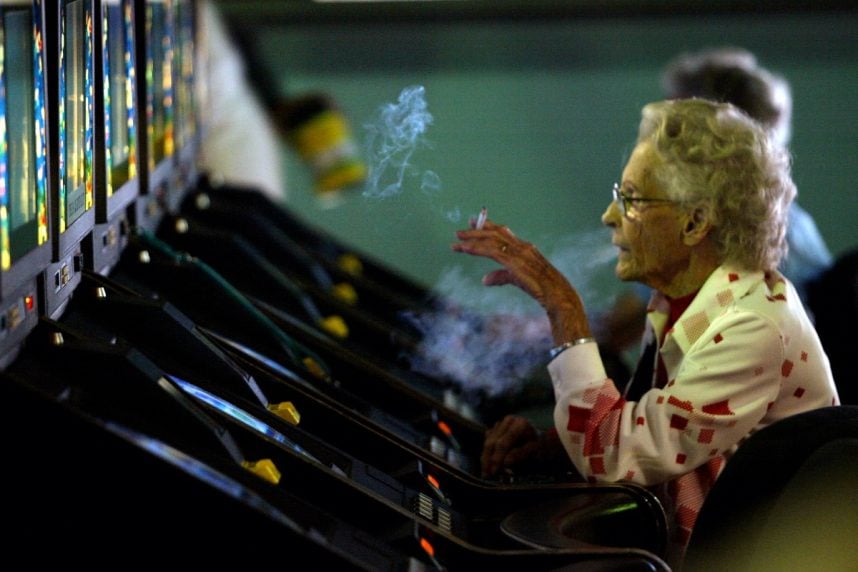
In August 2024, NJ Superior Court Judge Patrick Bartels sided with the state that its 2006 Smoke-Free Air Act’s exemptions for casinos and parimutuel wagering facilities do not impede an individual’s right to pursue employment in a place free of secondhand smoke. This week, a three-judge appellate division panel found procedural errors in how Bartels reached his ruling.
The appellate court took issue with the fact that Bartels didn’t adequately consider competing research from the casinos and the United Auto Workers (UAW) union that brought the lawsuit, which reached differing opinions on how a smoking ban would impact the industry.
The casinos argue that a smoking ban would devastate the market and lead to thousands of job losses. The union and Casino Employees Against Smoking Effects (CEASE) claim smoking is no longer crucial to gaming, as tobacco rates continue to decline.
Case Continued
Bartels said the casino smoking privilege doesn’t impede a person’s constitutional right to employment elsewhere in a smoke-free environment.
“Because of the publicly known risks of secondhand smoke, that smoking has never been banned in casinos except for a short period during COVID-19, that the Smoke-Free Air Act’s exceptions only affect a few industries, and that the Smoke-Free Air Act does not hinder or affect a person’s ability to seek work in a smoke-free environment, it cannot be said that the New Jersey Legislature’s actions in providing exceptions to the Smoke-Free Air Act restricts the casino workers’ right to pursue safety under the New Jersey Constitution” Bartels wrote.
In the appellate opinion written by Judge Jack Sabatino, the panel returned the case for further proceedings.
The court shall allow the record to be developed and litigated to address the hotly contested projections of revenue loss, and for the court to make appropriate findings of fact concerning the reliability and credibility of the competing expert projections. Such findings are especially crucial to the ultimate disposition of plaintiffs’ state equal protection arguments, with the health of thousands of casino employees and, perhaps, millions of dollars at stake,” Sabatino wrote.
Sabatino, however, stressed that the appellate ruling isn’t a “public policy decision.”
“We take this course of action prudently, and not lightly. By no means do we intend to substitute our judgment on public policy matters for that of the Legislature and the Governor. We are discharging our responsibility in faithfully assuring the equal protection of the laws of our state, and correcting the trial court’s mistaken approach in applying the required constitutional methodology,” Sabatino explained.
‘Exceptional’ Case
Sabatino said that the appellate ruling shouldn’t be construed to signify that trial judges should routinely allow discovery and consider presiding over evidentiary hearings every time a state equal protection argument is raised. However, in this instance, the matter is “exceptional.”
This is an exceptional case with exceptional stakes,” Sabatino said. “We intimate no views on the appropriate outcome of the remand.”
New Jersey Gov. Mikie Sherrill (D), who took office on January 20, has suggested that she would sign a bill to eliminate casino smoking should it reach her desk.
No comments yet