
Pennsylvania Skill Games Accelerating Gambling Addiction
Posted on: February 7, 2026, 09:49h.
Last updated on: February 9, 2026, 04:44h.

- Gamblers Anonymous says skill games are causing gambling problems
- Skill games are unregulated slot-like machines
- An estimated 11% of all Pennsylvania adults have played a skill game, according to Penn State researchers say
A spokesperson for Gamblers Anonymous in Pennsylvania tells Casino.org that unregulated skill games are propelling addiction rates across the commonwealth.
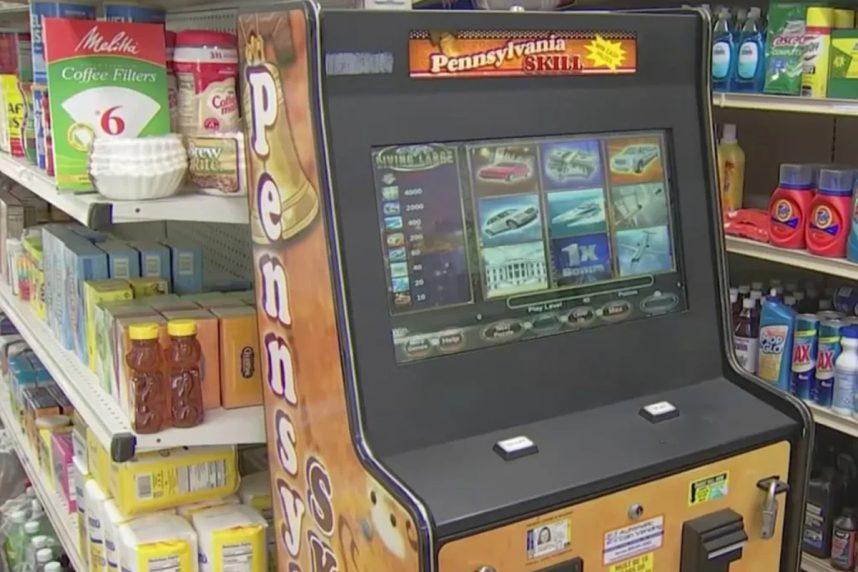
Pennsylvania is one of several states where controversial skill games have proliferated in restaurants, bars, corner stores, gas stations, convenience stores, and grocery outlets. There are even dedicated retail businesses solely devoted to the slot-like gaming machines.
A member of Gamblers Anonymous tells Casino.org that skill games are frequently cited by new attendees as being a “primary contributor” to their gambling addiction. In fact, skill games are blamed more than any other gaming format in Pennsylvania, the GA spokesperson said.
PA skill games are cited by every brand new member of Gamblers Anonymous as the primary contributor to their accelerating addiction to problem gambling. Second place is gambling on their phones. Casinos? Rarely mentioned,” the GA delegate revealed.
Gamblers Anonymous is a fellowship of men and women who meet to share their experiences and difficulties with gambling and work to solve their common problem. The only requirement for membership is a desire to stop gambling.
Unregulated Gambling Propels Addiction
Skill games are unregulated and untaxed.
Skill gaming machines, commonly branded Pennsylvania Skill, are not monitored for fair play, such as a minimum payout rate. The games are available to anyone aged 18 and older, though ID checks are rare.
Skill games and other forms of gambling that have few or no consumer protections are increasing gambling problems. In December, Josh Ercole, the executive director of the Council on Compulsive Gambling of Pennsylvania, testified before the Pennsylvania House Gaming Oversight Committee that online prediction markets, which last year embarked into the trading of sports event contracts, are fueling gambling addiction.
Unlike Pennsylvania Gaming Control Board-licensed operators, these prediction market platforms are not required to provide the robust number of consumer protection tools that are mandated by state legislation. Prediction markets expose a highly vulnerable demographic to an activity that has inherent risks. Over the past several years, we have seen a dramatic increase in the number of younger folks contacting the helpline,” Ercole said.
Along with the buying and selling shares of which team will win tomorrow’s Super Bowl, prediction markets allow traders to place money on the outcome of an array of offbeat topics. For the big game, traders can stake money on which brands will advertise (Pepsi has a 98% chance), whether the announcers will say President Trump’s name (19% chance), and if California Gov. Gavin Newsom (D) will attend the championship at Levi’s Stadium in Santa Clara (91% chance).
Skill Game Participation
Researchers at Penn State University estimate that between 2.5% and 6.4% of all adults in the commonwealth could be classified as problem gamblers. A staggering 27.9% and 29.9% could be classified as at-risk gamblers.
The gambling research study estimates that 11% of all Pennsylvania adults have played a skill game. That trumps the estimated 3.8% of the adult population who have played an online casino game.
Last Comment ( 1 )
Pennsylvania skill games accelerate gambling addiction in PA. That accelerates turning family homes into becoming broken homes. That can lead to gambling addicts committing suicide. This is where most folks will say, “Well, it’s his own damn fault!”