
Former Iowa Criminal Investigation Agent Claims He Was Fired After Criticizing College Athlete Betting Probe
Posted on: March 6, 2026, 02:04h.
Last updated on: March 6, 2026, 02:04h.

- Former Iowa DCI agent sues state alleging retaliation after whistleblowing.
- Lawsuit challenges investigation targeting college athletes for illegal sports betting.
- Probe used GeoComply location data; critics questioned legality of searches.
A former agent with the Iowa Division of Criminal Investigation (DCI) claims he was fired by the agency shortly after he criticized its controversial investigation into the betting activities of college athletes, Radio Iowa reports.
In his wrongful termination suit against the state, Mark Ludwick claims he was fired after blowing the whistle on the DCI probe, asserting it had been illegal because agents did not obtain search warrants when performing searches on the athletes.
The Investigation
The DCI used geolocation-tracking software from GeoComply to monitor betting activity on college campuses.
GeoComply is a compliance company that provides technology used by online gambling operators to verify that users are physically located in jurisdictions where wagering is legal. The company made the technology available to law enforcement agencies as a tool to help detect fraud.
This allowed the DCI to identify gambling “hotspots,” or locations with an unusually high volume of wagers, which might indicate money laundering or other fraudulent activity.
Software Misuse
But instead, investigators focused the software on college campuses in an effort to identify underage bettors. After learning how the system was being used, GeoComply revoked the DCI’s access, according to court documents.
The investigation found that several athletes had placed sports bets while under Iowa’s legal gambling age of 21, often using online sportsbook accounts registered to friends or family members, which also led to identity theft charges.
Most of the athletes ultimately pleaded guilty, paid fines, and saw their athletic careers suffer lasting consequences, while four fought the charges and were acquitted.
Some of the athletes later sued in a federal court, arguing the DCI had violated their Fourth Amendment rights, which protect Americans against unreasonable searches. The judge determined that the investigation was indeed unconstitutional, but the students could not seek damages because the investigators were protected by qualified immunity.
Retaliation Claim
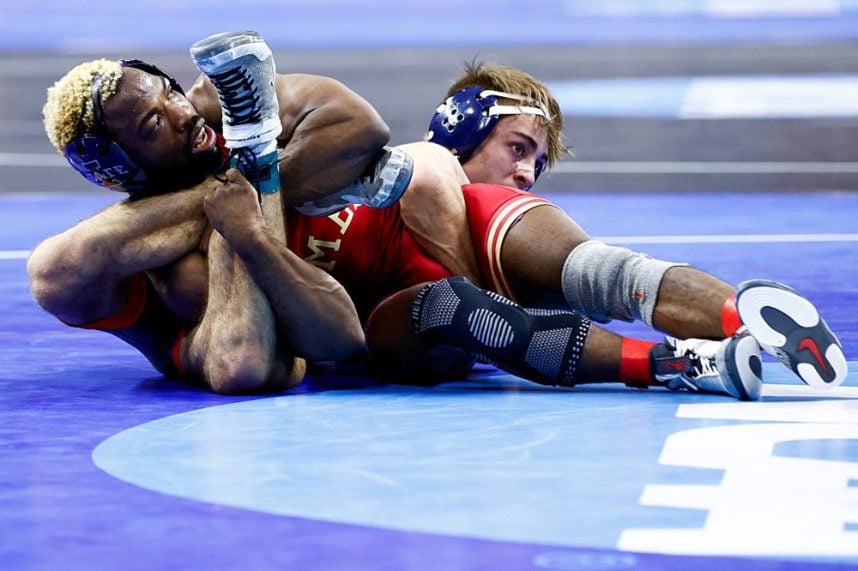
In his deposition in a complaint by Iowa State wrestler Paniro Johnson, Ludwick testified that he realized the investigation was criminal in nature and advised his superiors that he would no longer participate, requesting reassignment, according to court documents.
Around ten months later, he was fired. In his wrongful termination complaint, Ludwick claims his superiors retaliated against him after his testimony became public. This included investigating him for speeding on the way to a murder scene and for trying to help a victim of domestic violence escape her abuser, per the complaint.
He is seeking damages for lost wages, lost benefits, and emotional distress.
No comments yet