
Quebec Online Gaming Commission: We Struck a Nerve at Loto-Québec
Posted on: March 2, 2026, 06:55h.
Last updated on: March 2, 2026, 06:56h.

- Quebec Online Gaming Commission submitted igaming brief to Ministry of Finance
- Brief makes argument for modernization of igaming regulation and Ontario-style igaming market
- Loto-Québec issues strong statement in response to brief
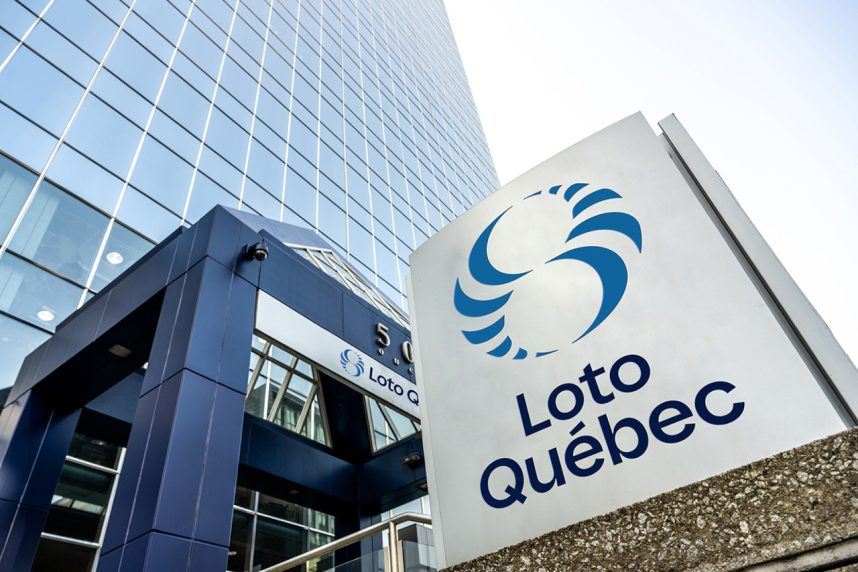
A spokesperson for the Quebec Online Gaming Commission (QOGC) said a brief the QOGC sent to Quebec’s Ministry of Finance making the case for an independent igaming regulator and an Ontario-style competitive igaming market struck a nerve with Loto-Québec, the provincial crown corporation.
Regulation Issue
For us, that kind of response they gave to our pre-budget submission shows they have less argument in support of a public monopoly over online gaming, attacking the Coalition and its members personally, rather than discussing the real issue, which is how to better regulate online gaming, including private platforms, which are a huge part of this market,” said Ariane Gauthier.
QOGC is an organization of private operators comprised of Betway, Bet99, DraftKings, Entain, Flutter, Games Global, and Rush Street Interactive, partnering with Apricot Investments — committed to working with the Quebec government and local stakeholders to develop a new regulatory framework for the province that is similar to the one that has been in existence in Ontario for nearly four years.
Briefing to Ministry of Finance
Loto-Québec is the crown corporation that operates both igaming and land-based gaming in the province.
Last month we wrote on how QOGC submitted a brief to the provincial government’s Ministry of Finance, also issuing a news release, detailing how there are 2,000 websites of varying quality out there offering casino, sports betting and poker to Quebec players, putting vulnerable people at risk each year, while depriving the provincial of more than $300 million in tax revenue annually.
QOGC said in a statement that by focusing its efforts solely on “physical” gaming offerings, such as Loto-Québec’s Salon de jeux, video lottery terminals (VLTs), and bingo nights, Quebec was missing a target that is now everywhere: online gaming. QOGC argued that it’s time for Quebec to funnel players into a new regulated environment.
Loto-Québec Response
When news of that QOGC government brief broke, Renaud Dugas, a spokesperson from Loto-Québec, fired back in a statement provided to Casino.org.
“One thing must be set straight: the only Québec-related aspect of the Québec Online Gaming Coalition is its name. It brings together foreign companies that do not create value in Québec.
The Coalition is pushing for online gaming regulation under the pretext of protecting players. However, the operators it represents are themselves the source of risk by offering their products illegally. Moreover, they violate the existing framework: the Criminal Code of Canada. This is an insult to Quebecers’ intelligence.
Loto-Québec: Coalition Not Ethical
Illegal operators use the pretext of protecting the public to try to legitimize their activities. However, according to a Léger study, 81% of online players choose lotoquebec.com, which offers a legal, secure, and responsible gaming environment. The same study reveals that players spend, on average, nearly twice as much on illegal websites. These websites use questionable strategies and practices to maximize player spending. Their so-called intention to protect the public is dubious at best, since the solutions they propose address a problem that they themselves created.
The goal of the Coalition is clear: to legalize what’s illegal and further develop a market that only benefits foreign companies—not players.
If Coalition members were even the least bit ethical, they would comply with the regulatory framework and laws already in place here and immediately cease their illegal activities.
Protecting Players
We understand that, ultimately, their wish is to replicate the Ontario model, which led to player spending skyrocketing in recent years while also over-exposing the public to online gaming. The dividends paid to the government are quite modest compared to the billions generated and that leave the country.
The Coalition is trying to downplay Loto-Québec’s impact to justify its proposal. Loto-Québec does not claim to be perfect, but 100% of its activities are legal. And, more importantly, 100% of what it generates remains in Québec. Last year, the corporation paid over $1.5 billion in dividends to the State, and that’s in addition to all its other contributions to Québec society.”
$4 Billion in GGR in Ontario
In Gauthier’s opinion, the crown corporation wouldn’t have reached out as strongly as it did if QOGC hadn’t struck a nerve, at a time when the Ontario market reported $4 billion in gross gaming revenue in 2025. In Ontario, the government takes 20% of igaming revenue in taxation. And those numbers don’t include revenues from the Ontario Lottery and Gaming Corporation’s Proline platform. OLG is projecting $1 billion in revenue for its online gaming platform by 2028.
“We saw that their language was very strong,” she said. “This discussion concerns Quebec and Quebecers, not people outside the province. We need to have a debate.”
Gauthier said the QOGC has been doing a lot of media of late, meeting with all the provincial political parties (Quebec has an election this October), as well as industry stakeholders, laying out their case, and added they’ve seen progress.
Need for an Independent Regulator
Gauthier said she is more confident that the province will eventually bring in an Ontario-style (and soon, Alberta) igaming regime. For the first time in meeting with the Ministry of Finance people, where QOGC presented the rationale for an Ontario-style model, they were listening, engaged, asking questions, she added.
The focus for QOGC starts with the need for an independent regulator in the province. Right now, igaming regulation in the province is Loto-Québec’s turf. The crown corporation is both the regulator and the operator. That’s not an ideal framework to protect players, the QOGC is arguing. Gauthier also said Loto-Québec isn’t consistent when reporting their igaming market share in the province.
“That’s the problem,” she said. “Loto-Québec feels like (what the QOGC is doing) is a threat. They never show any solid data to support their (market share) claims. They stretch the truth a little bit. We don’t believe for a second Loto-Québec regulates more than 80% of the market. That’s a fantasy.”
QOGC released a Mainstreet Research study in 2023 showing that 73% of players in Quebec were playing on private online platforms.
No comments yet