
Prediction Markets Gamify Finance, Says Better Markets
Posted on: January 27, 2026, 11:58h.
Last updated on: January 27, 2026, 12:53h.

- Policy group sees parallels in prediction markets and the rise of GameStop in 2021
- Says prediction markets are competition for cryptocurrency among young, potentially addicted traders
- Line between betting and investing is blurring, says group
Five years removed from the massive rally in shares of GameStop (NYSE: GME) engineered on social media by an army of retail traders, the gamification of finance continues, and prediction markets are contributing to that trend.
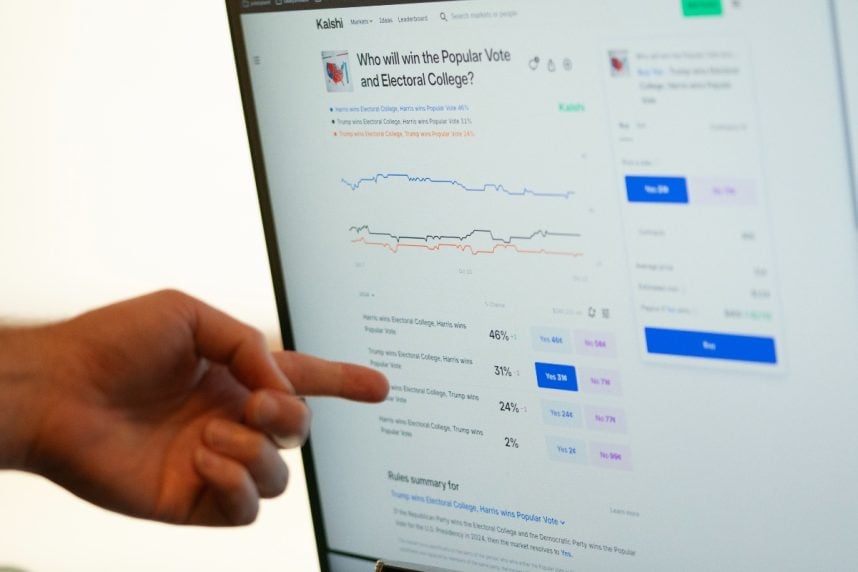
That’s the take of Better Markets, a nonpartisan policy group, which adds that prediction market platforms employ the same techniques some brokerage firms use to entice unknowing retail traders to buy highly speculative assets such as meme stocks and memecoins. The policy group points out that the 2021 meme stock frenzy didn’t compel regulators to enact proper protections for retail investors, and prediction market operators are seizing on that.
This desire to gamify everything is the natural progression of the original gamification of the stock market that led to GameStop and is enabled by regulators’ failure to create or enforce sensible guardrails,” says Better Markets. “The consequences are likely to equally dire for retail investors and everyday Americans.”
The watchdog adds that event contract exchanges employ features and tactics that are comparable to those used by gaming companies, making prediction markets “predatory platforms.”
Prediction Markets Blurring Line Between Investing, Gambling
Critics assert prediction markets are tapping into the gamification of betting and trading that younger market participants have grown to love — a scenario that has roots in the GameStop situation.
Compounding the risks around prediction markets are the facts that many users are already betting on sports, and some of their preferred trading platforms aren’t just gamifying finance. Those companies, critics allege, are outright participants, if not leaders, in the yes/no contracts industry. Better Markets says event contract exchanges use terms like “shares” and avoid wagering vernacular because the companies don’t want to be regulated as though they’re gaming enterprises.
“Prediction market operators use this language because they want to avoid being regulated as the casinos that they are,” observes the policy group. “At the same time, their language essentially equates trading with gambling. For example, Kalshi, one of the largest prediction markets, advertises itself as a platform where users can ‘trade on anything.’ What Kalshi means is bet on anything.”
In separate research, Better Markets says prediction markets are no more than casinos, adding that operators are flouting state gaming laws.
Cryptocurrency Comparisons
Better Markets also warned of similarities between cryptocurrency trading and prediction markets, including 24/7 trading — a factor that led many young retail traders to get hooked and lose large sums of money on speculative digital assets.
Last year, Kalshi announced a transition to near 24/7 trading, and some brokerage houses are moving to expanded offerings of tokenized assets, which can trade beyond normal market hours. Citing cryptocurrency, Better Markets sees that as a road to ruin for some traders.
“One of the most prevalent forms of trading addiction is crypto trading. Crypto trading addiction is so common that there are now centers that specialize in treating it,” said the think tank. “And one of the reasons crypto trading is so addictive is the ability to trade crypto on a 24/7 basis.”
No comments yet