
VEGAS NEAR MYTHS: Stories So Wild, They Seem Like Urban Legends, but Aren’t
Posted on: December 29, 2025, 07:21h.
Last updated on: December 29, 2025, 10:24h.

In the nearly four years since we began our weekly “Vegas Myths Busted” series, we’ve come across many wild stories that we thought for sure were myths.
Most of the time, we were right. This is how we put to rest such widely held Vegas beliefs as the bodies buried inside Hoover Dam, the casino that Howard Hughes bought just to dim its sign so he could sleep, and, of course, the extra oxygen that casinos pump onto their floors to keep gamblers awake. (Well, we tried putting them to rest, anyway. Many people still believe them.)
However, some myths we chased down ended up, quite insanely, being true. Welcome to our annual “Vegas Near Myths” list.
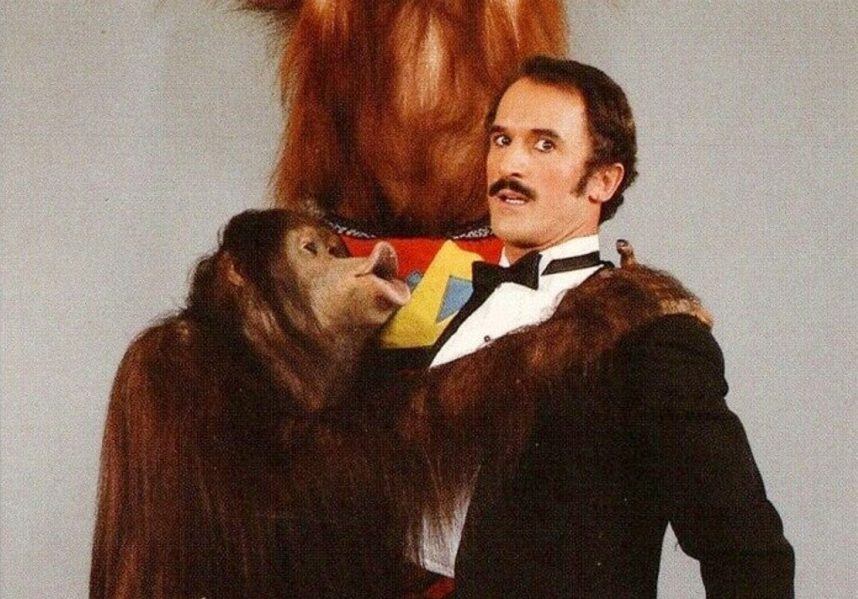
Monkey Trial
In 1989, Las Vegas entertainer Bobby Berosini finally attained the national celebrity he craved — for the wrong reason. After hidden‑camera footage showed him striking and shaking his orangutans backstage before performances at the Stardust Hotel, he was fired and, to use a term coined 20 years later, canceled.
A year later, Berosini sued PETA and another animal rights organization for defamation, as well as Jeanne Roush, the Stardust dancer who secretly filmed the backstage video. He claimed that the hidden video was taken out of context and that calling him an animal abuser destroyed his career.
On Berosini’s very first day in court, his lawyers had three of his orangutans brought into the Clark County Courthouse. The stated purpose was to let the jury see for themselves that the apes were healthy, well-trained, and loved their trainer. In other words, they were character witnesses who never sat in the witness box.
The orangutans waved, did tricks and hugged Berosini, and the jury reportedly laughed and applauded.
Apparently, it worked. Berosini initially won about $4.2 million in damages. But that verdict was overturned on a peel (sorry, couldn’t resist!) in 1994 by the Nevada Supreme Court, which ruled that accusing Berosini of animal abuse was protected opinion, not defamation.
Lefty was a Snitch
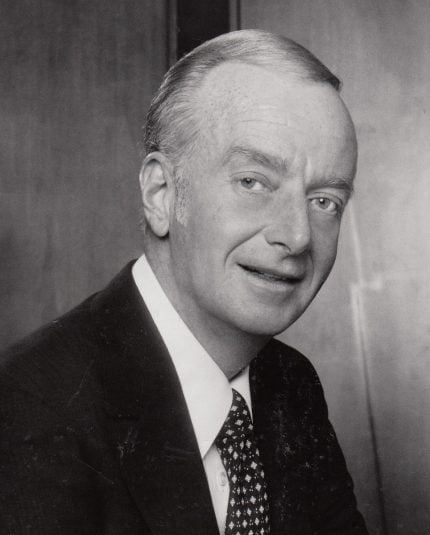
Frank “Lefty” Rosenthal, immortalized as Robert De Niro’s character in “Casino,” was more than a mob-connected casino operator.
Though his attorney — future Las Vegas mayor Oscar Goodman — denied representing “snitches,” that’s exactly what he was.
After his death in 2008, the Las Vegas Review-Journal reported that three former law enforcement officials – and more than 300 pages of FBI files — confirmed he had been a longtime FBI informant all along, providing firsthand intelligence on the Chicago Outfit and Las Vegas casino skimming operations.
That would have quite a “Casino” plot twist!
Evidence of Lefty’s cooperation predates the 1982 car bombing he survived outside Tony Roma’s in Las Vegas. According to FBI files, he supplied information on mob murders, including those of crime boss Sam Giancana and fixer Johnny Roselli, and helped investigators crack the burglary ring tied to Anthony Accardo’s home.
His intelligence was instrumental in building federal skimming cases that ultimately dismantled mafia control of several Strip casinos.
Rosenthal’s role was kept secret during his lifetime to protect him from mob retaliation.
Cave Lady of Sunrise Mountain
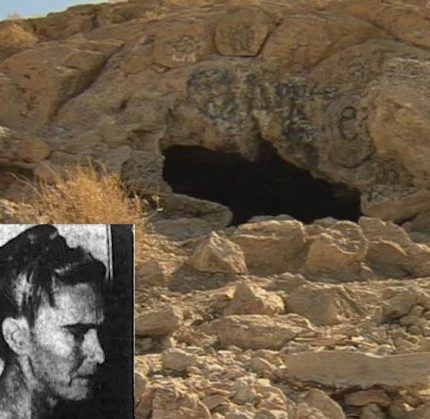
In what is often described as an urban legend, many people who grew up in northeast Las Vegas during the 1960s recall approaching a strange cave dwelling much as they would a haunted-looking house at the end of the street.
But there really was a woman who lived in a cave by herself at the corner of Bonanza Avenue and the north end of Los Feliz Boulevard. That address corresponds to the base of Frenchman Mountain. (To this day, locals erroneously call it “Sunrise Mountain” because that’s where the sun comes up.)
According to a July 22, 1964, story in the Las Vegas Review-Journal, Rox Morgan, then 47, had been residing there for more than year when she was finally arrested for trespassing on BLM land.
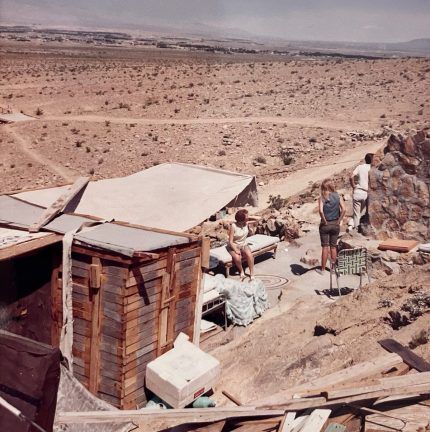
She claimed she was living in the cave only temporarily, while endeavoring to build a church on the summit “to remind Las Vegans of their spiritual heritage.” The project was co-funded by Richmond, Virginia resident Stanley Clark and his wife, who believed in Morgan’s spiritual mission.
Morgan — a name she claimed to be a pseudonym in recordings discovered more than five decades later by KSNV-TV/Las Vegas — beat the trespassing rap.
The Cave Lady of Sunrise Mountain was last heard from in the early ‘70s, according to correspondence, receipts, and motel records found by Clark’s daughter.
While there was a church built near that summit, less than a quarter mile from her cave, the LDS Church built that one in 1989. Ms. Morgan (or whatever her real name was) had nothing to do with it.
In 2016, Clark County sealed the cave off, citing safety concerns.
To read our last two “Vegas Near Myths” installments, click here and here.
Look for “Vegas Myths Busted” every Monday on Casino.org. Visit VegasMythsBusted.com to read previously busted Vegas myths. Got a suggestion for a Vegas myth that needs busting? Email corey@casino.org.
Last Comments ( 1 )
As kids we lived off Bonanza and Betty Lane/ Harris. Which was the end of houses basically. We rode our horses up to her to take her water and bread occasionally. She told us that someone would come at night and through rocks toward her area to try and get her out. She thought it was police. I don’t know if it was true.