
Macau Problem Gambling Surges After Casinos Pivoted From VIP to General Public
Posted on: January 22, 2026, 12:44h.
Last updated on: January 22, 2026, 09:57h.

- Macau is seeing more people than ever seeking help for their gambling disorders
- A record number of people self-excluded from casinos in 2025
Macau is experiencing a rise in problem gambling. The increase in the number of people seeking help for their gambling comes after the enclave’s casinos pivoted from the VIP and high roller to the premium-mass and general public player.
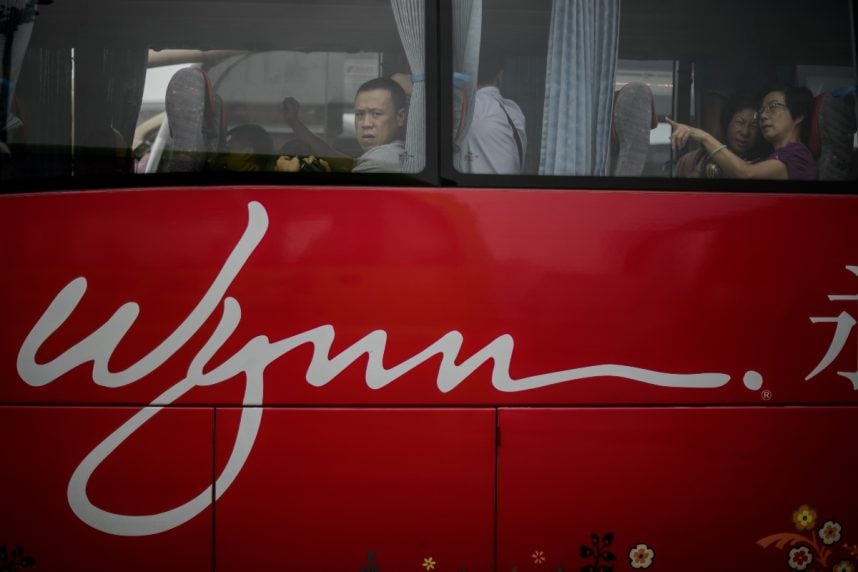
Macau is the world’s richest casino market, with the six gaming operators combining to win $30.9 billion from their table games and slot machines in 2025. The $30.9 billion was the highest annual gross gaming revenue (GGR) mark since 2019.
How Macau’s casinos generate GGR, however, has changed drastically since the COVID-19 pandemic. Once a gambling hub largely reserved for Mainland China’s wealthiest elite, Beijing used the global health crisis to alter how Macau ticks.
The People’s Republic and President Xi Jinping shuttered the VIP junket model. The businesses were accused of facilitating the transfer of money from the communist regime to Macau, a Special Administration Region under Chinese control that’s considered a tax haven.
Junkets and Macau’s casinos colluded to bring mainland high rollers to the city. Customers were typically afforded a line of casino credit close to the amount of money they paid the junket for their lavish trip and accommodations. Such high rollers gambled in private rooms on high-stakes games of baccarat, with per-bet hands often upwards of $10K.
Macau Problem Gambling
In exchange for 10-year casino license extensions, Beijing and Macau forced Sands, Wynn, MGM, Galaxy, Melco, and SJM to invest $16 billion in nongaming projects. The agreement was designed to alter Macau from a high-stakes gambling paradise to a destination for leisure travel, family-friendly vacations, and business.
The VIP gambling rooms are largely no more. Macau casinos have instead widened their marketing focus, and, so far, their multibillion-dollar bets on nongaming are helping drive gaming, too. But Macau government officials say it’s also driving gambling problems.
Macau’s Gaming Inspection and Coordination Bureau reports that 828 people removed their access to casinos in 2025. In 2024, only 475 individuals requested self-exclusion.
During the seven years from 2013 through 2019, Macau’s self-exclusion program averaged 341 new enrollees each year. There were 254 self-exclusions in 2020, 359 in 2021, 292 in 2022, and 418 in 2023.
There were another 124 people who were excluded last year through third-party-initiated requests, typically a family member or close friend. The individual must agree to be excluded before a third-party application is executed.
The total number of exclusions includes exclusions requested by casinos. Excluded people are banned from entering casinos in Macau for a term of two years.
Macau Market Maturation
Following the overhaul of the Macau gaming industry, analysts at S&P are predicting a stabilization of gaming revenues after three years of growth.
Macau’s gaming boom is fading. The sector will be moving from a post-pandemic rebound to a more maturity-driven phase, as capacity limits and potentially softer mass demand temper growth,” the S&P note read.
“We think 2026 revenue growth will slow, but steady operations, selective share gains, and deleveraging still support modest upside,” the brokerage predicted.
Last Comments ( 1 )
If you have a problem gambling, then that is not Macau’s fault. Please call 1-800-Gambler