
The Gambling Deduction Tax Change Could Benefit Prediction Markets and Trump
Posted on: December 19, 2025, 12:07h.
Last updated on: January 6, 2026, 09:06h.

- If the gambling deduction isn’t restored to 100%, prediction markets would benefit
- Prediction markets are considered financial instruments, not gambling
- Prediction markets would become more attractive for some bettors under the new tax scheme
Conspiracy theories are ripe regarding a controversial tax provision included in the Republicans’ and President Donald Trump’s One Big Beautiful Bill (OBBB).
Effective Jan. 1, 2026, deductions for gambling losses will be capped at 90% against winnings for itemized filers. For decades, individual taxpayers were able to deduct up to 100% of their gambling losses against their winnings.
The change means a gambler who wins $100K during the year but also loses $100K would still be on the hook for federal taxes on $10K in income they didn’t actually net. Nevada’s congressional delegation, including Rep. Dina Titus (D) and Sen. Catherine Cortez Masto (D), has filed legislation to restore the gambling deduction to 100%. The FAIR Bet and FULL House acts have bipartisan support, but Republican leaders have been blamed for mothballing the bills.
Rumblings about why the gambling deduction was trimmed in the first place include a conspiracy theory that the 90% cap would benefit the most powerful man in DC.
Prediction Markets Explained
No topic is more controversial in the US gaming industry than prediction markets. The online platforms and apps claim to operate derivative trading, facilitating the buying and selling of yes/no contracts and other binary outcomes, including events involving sports.
On Friday, DraftKings, one of the country’s largest sportsbooks, launched DraftKings Predictions. Similar to Kalshi, Polymarket, and Crypto.com, DraftKings Predictions operates under a license from the US Commodity Futures Trading Commission (CFTC).
The prediction markets claim to be financial instruments where customers can trade futures and options. Despite PMs allowing customers to buy shares in the outcome of sports games, the operators allege that they’re not engaged in gambling.
While state attorneys general, lawmakers, and gaming regulators across the country have opined otherwise, federal preemption overrides conflicting state laws. And, to date, the CFTC under the Trump administration has been unwilling to appease states’ requests to mandate that prediction markets not offer sports contracts and other futures options that they claim violate their state gaming laws.
Trump Predicts
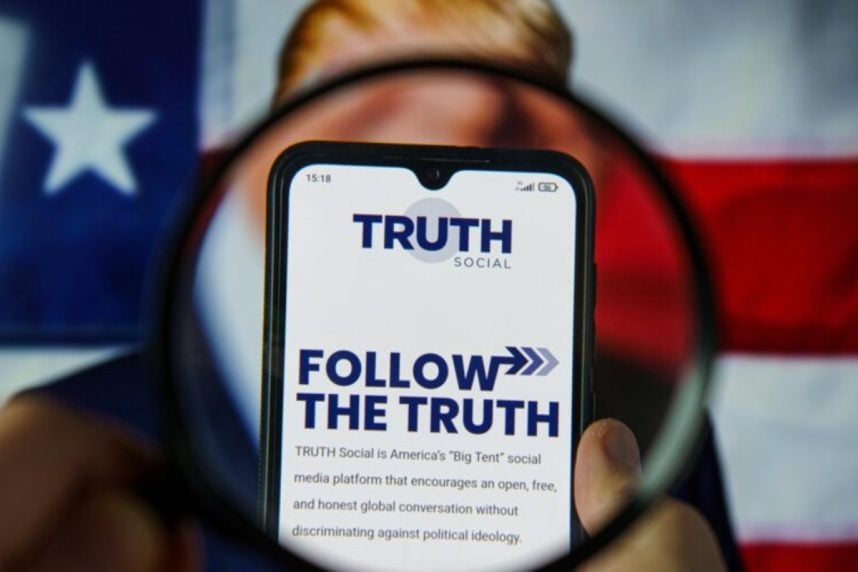
Truth Social, the social media platform of Trump Media and Technology Group, the publicly traded entity controlled by the president’s family business, is intent on entering the emerging prediction market space. In October, the company announced its plans to integrate Truth Social with Crypto.com, the latter holding CFTC licenses for derivative trading.
Truth Predict is expected to offer contracts on various events, including politics, economics, financials, and sports.
Could the gambling deduction reduction in Trump’s OBBB be a carefully crafted measure to give the president’s prediction market an upper hand on the legal, highly regulated gaming industry? Not only is Truth Social prepping its prediction market, but Donald Trump Jr. is a special advisor to Kalshi and Polymarket, a part-time gig that pays the president’s eldest son handsomely.
For sports bettors, utilizing a prediction market to make their sports bets next year will have tax advantages, as prediction market losses will still be able to be deducted up to 100% against winnings. That’s because CFTC-regulated prediction markets aren’t considered gambling, and therefore, the financial losses can be deducted on itemized returns against income.
Prediction markets are also rumored to be exploring expansions into casino-like games. After all, if a prediction market can facilitate shares on the outcomes of a sporting event, couldn’t the same regulatory precedent apply to selling and buying shares on whether an online casino slot machine wins or if a blackjack hand loses?
The 90% gambling loss deduction component of the OBBB was introduced while the bill was in the Senate Finance Committee. The committee is chaired by Sen. Mike Crapo (R-Idaho), who has voted 100% of the time (163/163) on roll-calls in line with Trump’s White House priorities.
No comments yet