
Hacker Targets Malta Gaming Authority, Claims Organized Crime Links
Posted on: March 23, 2026, 08:48h.
Last updated on: March 23, 2026, 08:48h.

- Hacker claims MGA breach and threatens to expose crime links
- Malta’s gambling hub status faces renewed scrutiny and pressure
- Past scandals resurface as regulator denies all allegations
A self-described white-hat (ethical) hacker has claimed responsibility for a breach of the Malta Gaming Authority (MGA) and is threatening to expose what she alleges are systemic links between the country’s lucrative iGaming sector and organized crime.
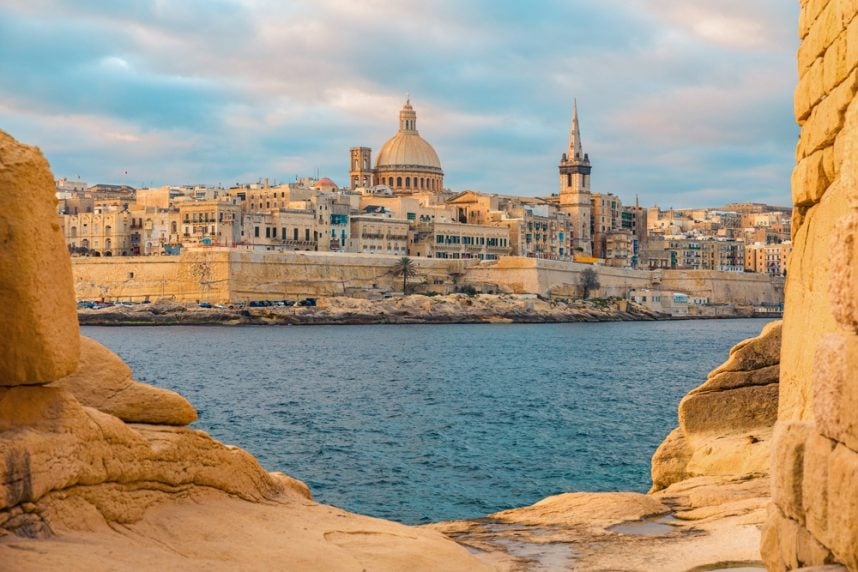
Malta is arguably Europe’s most important online gambling hub. Hundreds of operators are licensed there, and many major brands use the jurisdiction as their primary base.
In a statement on X on Friday, German hacker Lilith Wittmann declared: “Dear Malta Gaming Authority, yes, I hacked you, and the data obtained has been shared with media partners and authorities. And yes, we will expose the organised crime enablement schemes you created while presenting yourselves as a ‘legitimate public service.’”
Track Record
Wittmann is no random hacker. She has in the past exposed flaws in Germany’s gambling regulation systems, as well as vulnerabilities in public-sector IT, such as Berlin’s election infrastructure. Her work has triggered government investigations and built her a reputation as a crusader for accountability and transparency.
The MGA acknowledged a breach last week. In response to Wittmann’s allegations, the regulator said: “The MGA condemns any unauthorized access to its systems and any extraction, handling or dissemination of data obtained through such activity.”
“Allegations made in the context of unauthorized system access are unsubstantiated and do not undermine the MGA’s role as a regulator committed to transparency, due process and the rule of law,” it added.
Mafia State?
Despite its importance to the online gambling industry, Italian prosecutors have repeatedly identified Malta as a hub in cross-border betting networks tied to organized crime. In 2018, the Malta Gaming Authority said it had launched a wide-ranging review of its Italian-facing licensees following a series of anti-mafia investigations that uncovered illegal gambling operations with links to Maltese-registered companies.
But just a year later, the man who launched that investigation, then-MGA CEO Heathcliff Farrugia, was found to have sent messages to casino owner Yorgen Fenech, sharing confidential information about compliance investigations into his gambling operations.
The messages only came to light after Fenech was arrested as a suspect in the murder of anti-corruption journalist Daphne Caruana Galizia — a case that fueled claims Malta had become a “mafia state.”
Fenech still awaits trial for his alleged role in the 2017 car bomb attack.
Farrugia quietly resigned in December 2019, shortly after Fenech’s arrest and the ensuing political fallout. He was later handed a two-year suspended prison sentence (suspended for four years) and fined.
No comments yet