 Main menu

Gaming Business
Germany’s Gambling Regime: Paragon of Consumer-Protection or Market Misstep?
Posted on: January 14, 2026, 06:37h.
Last updated on: January 14, 2026, 06:37h.


- Germany’s strict limits and OASIS aim to hard-wire player protection.
- Critics warn rules push players offshore; estimates of scale vary.
- Regulator review through 2026 weighs safety against legal-market channelization.
In 2021, Germany overhauled its online gaming regulations, shifting from a patchwork of state-based regulation to a unified framework – and one that’s held up as a paragon of player protection and safer play.
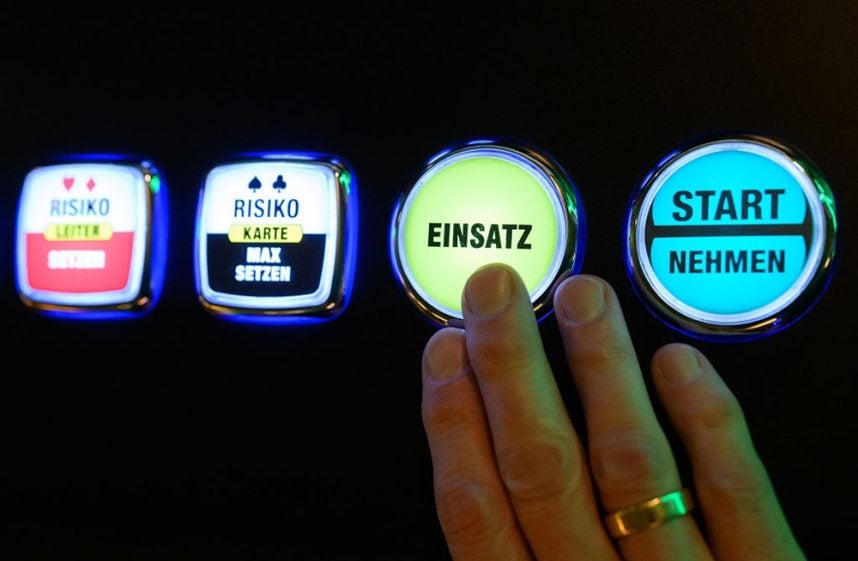
But four years in, questions remain about whether the tightened rules have achieved their goals or undermined them, and whether the German model will eventually become a blueprint for Europe or a cautionary tale of over-regulation.
Safer Gambling
Under Germany’s Fourth Interstate Treaty on Gambling (GlüStV 2021), German players are unable to deposit more than €1,000 per month across all licensed operators.
This is designed to prevent excessive spending and is enforced by the national joint gambling authority, the Gemeinsame Glücksspielbehörde der Länder (GGL). The system that makes this possible — LUGAS — aggregates deposits in real time so players can’t work around limits by switching between sites.
The regulator has direct technical oversight, with live access to player and transaction data via central monitoring systems.
The treaty also imposed strict curbs on gameplay. The maximum stake on online slots is €1 per spin, and meanwhile, a mandated five-second interval between games slows the pace of play compared with offshore alternatives.
Panic Button
Gambling advertising is tightly controlled to prevent misleading promotions and reduce exposure to at-risk audiences.
Meanwhile, all licensed operators must be plugged into OASIS, Germany’s national player self-exclusion database, while offering an ever-accessible, 24-hour panic button for players to initiate exclusion immediately.
The button has proved popular. In 2024 alone, the system recorded hundreds of thousands of new exclusion entries, many of them short-term self-bans imposed directly by gamblers.
Black Market Tensions
This set of player protections is unparalleled in regulated markets. But the very measures designed to protect players may actually stifle the legal market.
Many players find licensed offerings with their low stakes and enforced delays less appealing than offshore alternatives, which typically lack any meaningful harm-prevention tools and impose no deposit limits. This means players may actively seek out black market sites where safeguards are absent.
A study by the Handelsblatt Research Institute claims that more than half of online gambling activity in Germany takes place via the black market, although the GGL’s own figures have it much lower, at about 3 % to 4 %. That rises sharply to 25% for higher risk segments like online slots and sports betting.
Having recognized these tensions, the GGL is currently undertaking a review of the GlüStV 2021 framework, with an eye towards possibly tweaking deposit and stake limits and improving channelization — i.e. its ability to draw customers to the regulated market.
The review aims to balance player protections with market viability and fairness as regulators confront criticism that the framework may be discouraging players from the legal market.

 Most Read

Another Shooting Near Las Vegas Strip Casino Injures Man
 972,158 views

Vintners Oppose Napa Valley Casino
555,812 views


Conversation (0)
Be the first to comment on this article.