
Federal Judge Rules Missouri Gray Market Gambling Machines Illegal
Posted on: February 17, 2026, 06:41h.
Last updated on: February 17, 2026, 06:41h.

- Federal judge declares Torch machines illegal gambling devices
- $500K jury verdict preceded broader legality ruling
- Decision could trigger statewide enforcement actions
A federal judge dealt a major blow Monday to the “gray market” slot-style machines that have proliferated through Missouri’s convenience stores, bars, and restaurants.
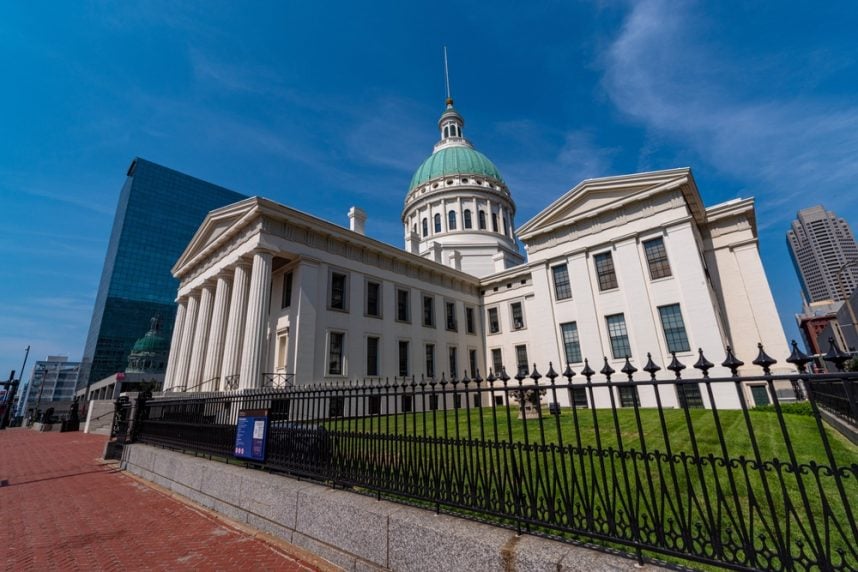
U.S. District Judge John A. Ross concluded that the machines marketed and distributed by Wildwood, Mo.-based Torch Electronics are “gambling devices” and therefore illegal under Missouri law when operated outside a licensed casino.
The games, often advertised as “no chance” or “skill” machines, mimic casino slots but exist in unregulated settings, from gas station aisles to neighborhood taverns. The decision opens the door to broader enforcement by regulators and prosecutors against the machines, which unlike casino slots, operate untaxed and without consumer protections.
Unfair Competition
The case was brought by TNT Amusements, a distributor of coin-operated arcade games including pinball machines and retro video cabinets. The company initially filed suit in a Missouri state court in 2019, accusing Torch Electronics of unfair competition and tortious interference with business relationships.
TNT alleged that Torch persuaded Missouri businesses to swap out its amusement machines for devices that functioned as illegal gambling equipment. The matter was moved to federal court in 2023.
In late September 2025, a federal jury heard five days of evidence and returned a verdict for TNT after finding one or more commercial representations by Torch about the absence of “chance” were false or misleading. These included the company’s claims about the machines’ “Prize Viewer,” a pre-reveal feature, which Torch argued removed randomness from play.
After the jury awarded TNT $500,000 in damages, the court then addressed TNT’s outstanding request for a declaratory judgment on whether Torch’s machines qualify as illegal gambling devices under Missouri law.
Multiple Elements of Chance
Ross wrote that expert testimony and trial evidence showed the devices contain “multiple elements of chance,” and that the games can be used for gambling as defined by Missouri law.
He cited, among other evidence, the structure of prize pools and how outcomes are arranged and presented to players, rejecting the idea that a pre-reveal mechanism transforms the machines into lawful amusement devices.
Ross noted that courts in other jurisdictions have repeatedly declined to treat “pre-reveal” features as a legal workaround. He pointed to a July 2025 Tennessee ruling finding Torch’s “No Chance Games” illegal under that state’s gambling laws, which he wrote were “nearly identical” to Missouri’s in material respects.
Slot or Not?
While headlines describe the terminals as “slot machines,” Ross explicitly declined to issue a declaration that the devices should be defined as such. He wrote that the question was not explicitly submitted to the jury and a declaration was unnecessary to resolve the dispute. His formal holding was that they are illegal “gambling devices” outside casinos.
Missouri’s top law-enforcement office has already shown a willingness to take a hardline on the machines. Attorney General Catherine Hanaway, who took office in September 2025, has publicly said her office has the resources to pursue enforcement against their operators.
Torch said in a statement that it would appeal the ruling, adding that it was “confident our games adhere to the letter and the spirit of Missouri law.”
Last Comments ( 2 )
Be Aware that the force behind this is J&J from Illinois & the local casinos that intend to bring real slot machines to Missouri once these machines are gone, just like what was done in Illinois, so Missouri prepare for a Slot machine 'casino' on every block with the profits going to out of state interest not the current, all Missouri owned and operated games.
I went to visit my sister and we went there and you could tell something about those machines wasn't right I'm glad something is being done about it