
Churchill Downs Sues Maine Over ‘Race-Based’ Tribal iGaming Monopoly
Posted on: January 28, 2026, 07:28h.
Last updated on: January 28, 2026, 09:45h.

- Churchill Downs challenges Maine’s exclusive tribal iGaming authorization in federal court
- Lawsuit argues tribal monopoly violates Equal Protection clauses
- Operator warns online gaming will cannibalize land-based casinos and jobs
Churchill Downs is suing Maine’s gambling regulator, arguing that the decision to grant an online gaming monopoly to its federally recognized tribes is “race-based” and violates the Equal Protection Clauses of both the United States and Maine constitutions.
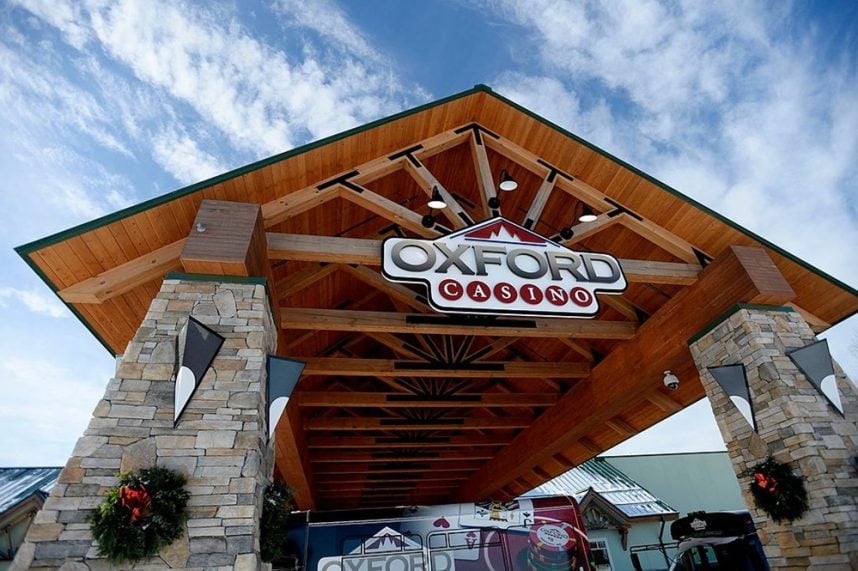
The operator, which owns the Oxford Casino, one of two land-based gaming venues in the state, said in a federal lawsuit filed Friday that if the legislature wants iGaming in Maine, “it should give everyone a fair chance to compete, without regard to race or citizenship, as both the United States and Maine Constitutions require.”
Earlier this month, the state’s Democratic governor, Janet Mills, allowed a bill to become law that lets the tribes, known collectively as the Wabanaki Nations, partner with commercial operators to offer iGaming exclusively. The legislature has already granted them a monopoly on sports betting in the state.
Why Tribal Gaming Looks Different in Maine
In general, tribes in other states are permitted to operate gaming under certain conditions by the 1988 Indian Gaming Regulatory Act (IGRA). But in Maine, things are slightly different.
Under the 1980 Maine Indian Claims Settlement Act (MICSA), tribes were granted a more limited form of sovereignty that didn’t include the right to conduct gaming on tribal lands. As a result, tribal reservations are treated like municipalities and are therefore subject to state law. The iGaming and sports betting monopolies were an effort by the legislature to redress this imbalance.
Churchill Downs argues that tribal iGaming will cannibalize the land-based market, pointing to a recent study by the Innovation Group that claimed land-based casino revenue drops by 16% on average after iGaming is introduced.
The same study estimates iGaming in Maine would lead to approximately 378 lost jobs, $22 million in lost labor income, and $60 million in lost value throughout the economy.
Shakier Ground
Tribes in other states have previously survived challenges to gaming monopolies largely because they are protected by sovereign immunity and because tribal gaming compacts are an acknowledged legal entitlement under IGRA. But as Churchill Downs points out in its lawsuit, Maine’s tribes are on shakier ground because state “laws governing gambling operations treat Maine’s Indian Tribes as businesses, not as sovereigns.”
Promoting iGaming through race-based preferences deals a gut-wrenching blow to Maine businesses like Oxford Casino that have heavily invested in the state and its people,” the lawsuit states.
In 2003, Maine voters overwhelmingly rejected a public referendum that would have authorized a $650 million tribal casino in southern Maine, defeating the measure by a 2–1 margin. In the same election, voters approved a separate ballot initiative allowing slot machine gaming at the Bangor racino. The episode continues to rankle Maine’s tribes, which have said the contrasting outcomes reflected racial bias.
No comments yet