
China Executes Myanmar Casino Crime Family in Fraud, Trafficking Crackdown
Posted on: February 2, 2026, 11:59h.
Last updated on: February 2, 2026, 11:59h.

- China executes members of Myanmar border crime dynasty
- Patriarch Bai Soucheng already dead, state media says
- Laukkaing warlord family tied to scams, trafficking, and casinos
- Beijing signals regional crackdown on Southeast Asia fraud hubs
China has executed four members of the notorious gangster warlord Bai family, which ruled over the casino town of Laukkaing in Myanmar’s semi-lawless Shan state, according to state media.
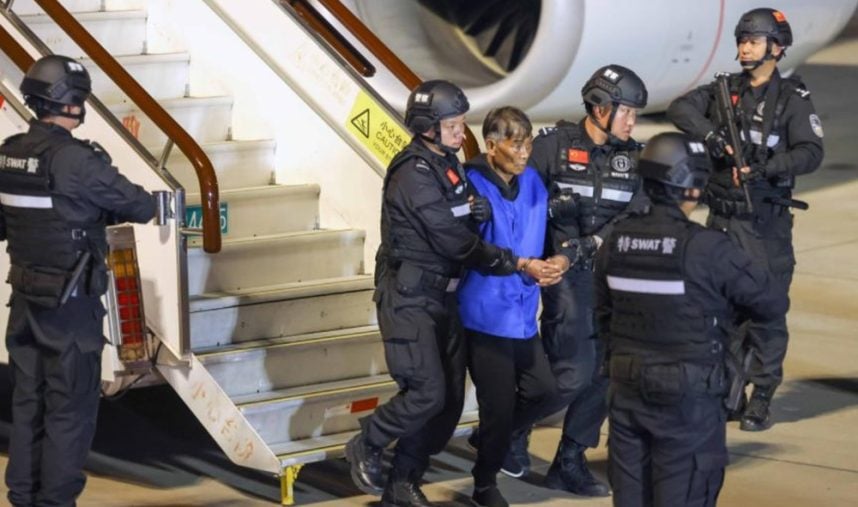
The four were among 21 family members convicted in November of crimes including fraud, kidnapping, premeditated murder, operating a casino, organizing prostitution, and smuggling. Other members received suspended death sentences and long prison stretches. The family’s patriarch, Bai Soucheng, died of illness shortly after he, too, was sentenced to death, state media reported.
Chinese prosecutors said the family’s gambling and fraud operations were valued at about US$4 billion and were linked to the deaths of at least six Chinese nationals. Bai was also separately convicted of conspiring to manufacture and traffic 11 metric tons of methamphetamine.
Vice City
Bai presided over the transformation of the once-sleepy border town of Laukkaing into a hub for casinos and prostitution, and later into a center for industrial-scale scam operations in which thousands of trafficked workers were imprisoned and forced to defraud victims, generating billions of dollars for criminal networks.
Bai was a former deputy commander of an ethnic Kokang Chinese rebel force who later consolidated power by aligning himself with Myanmar’s military junta.
He exercised de facto rule over Laukkaing through a private militia, enjoying near autonomy in a region long dominated by ethnic armed groups in exchange for his loyalty to the junta.
For years, Beijing appeared willing to tolerate Bai, likely because he helped impose a degree of stability along the volatile Yunnan–Myanmar border. His control limited open conflict, curbed refugee flows into China, and facilitated cross-border trade, while stopping short of directly challenging Chinese interests.
That tolerance began to erode with the growth of his telecom-fraud and human-trafficking empire, which became a source of domestic instability and public outrage inside China.
Rebel Advance
In November 2023, Chinese prosecutors issued arrest warrants for Bai and his close associates. Soon after, ethnic rebel forces fighting the junta stormed Laukkaing, freeing trafficked workers and detaining members of the ruling crime families.
Bai and his relatives fled but were later captured by junta forces, along with members of the affiliated Ming crime family, and were handed over to Chinese authorities. Last week, 11 members of the Ming family were executed, as Beijing delivered a warning to the fraud hubs that have proliferated across Southeast Asia.
In China, all executions are carried out under the authority of the Supreme People’s Court, which must approve all death sentences. The country is widely believed to execute more people than the rest of the world combined, though precise figures are unavailable because numbers and methods are state secrets.
Last Comments ( 1 )
Send those officials to America .