
Taiwanese Criminal Syndicate Laundered $1 Billion Through Macau Casinos
Posted on: March 24, 2026, 09:36h.
Last updated on: March 24, 2026, 09:36h.

- Macau casinos were allegedly used to launder over $1 billion
- The Taiwanese government says 20 individuals have been charged
- Macau is the only place under Chinese control where casinos are allowed
Government officials in Taiwan say they’ve uncovered a massive cross-border money laundering operation that rinsed more than TWD33 billion (US$1.03 billion) in dirty funds through casinos in China’s Macau.
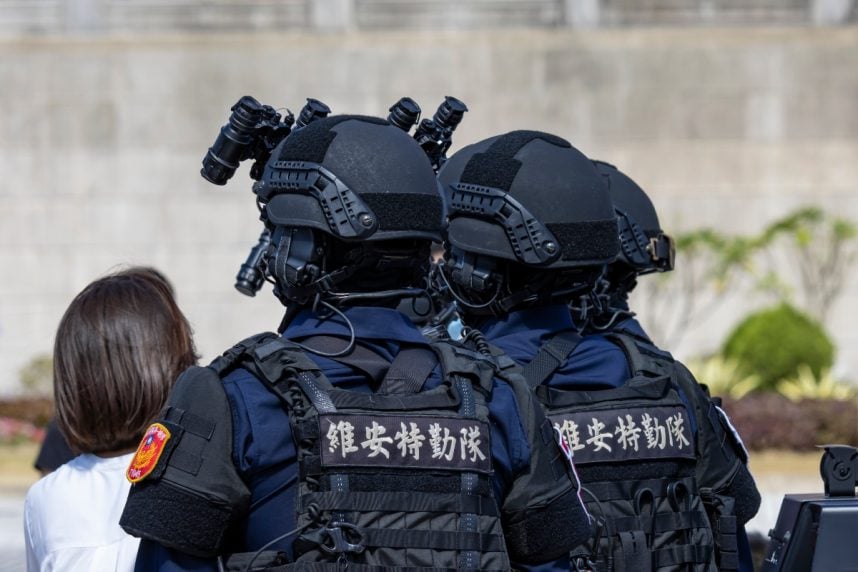
Taiwan’s Criminal Investigation Bureau disclosed in a Monday news release that an investigation warranted criminal charges against a syndicate that allegedly laundered illicit money generated by an illegal gambling outfit on the island through casinos in Macau.
Macau, a Special Administrative Region (SAR) of the People’s Republic, is the only place under Chinese control where casinos are permitted. Taiwan is a self-governing democracy with its own military, currency, and elected government, but China continues to claim Taiwan.
Macau Money Laundering Allegations
Taiwan’s Yunlin District Prosecutor’s Office details that 20 individuals have been arrested in relation to the cross-border money laundering operation.
The complaint, described by the Criminal Investigation Bureau as the “nation’s first cross-border casino money laundering case,” alleges that the operators of the illegal gambling network in Taiwan contracted money mules who traveled to Macau. Once in the world’s richest casino hub, the launderers accepted large cash and bank wire transfers, which were deposited into spending cards to establish large lines of credit.
From there, the mules made large cash withdrawals inside casinos to purchase stacks of gaming chips. After only briefly gambling, the mules would redeem the tokens for cash and transfer the money back to Taiwan in an attempt to make the funds appear as legitimate gaming winnings.
For their services, the mules received commissions of 1-2% of the amount of money laundered, plus travel perks such as rewards points. Taiwanese officials said one launderer allegedly transacted $575,000 in just 10 days. A 1.5% commission on that activity would be $8,625.
The 20 individuals charged are accused of violating the Money Laundering Prevention Act.
The public should not be tempted by small gains or small interest rate differentials or reward points by accepting funds from unknown sources, as this could make them accomplices in money laundering, facing criminal liability and hefty fines, a losing proposition,” the Criminal Investigations Bureau said in the release.
“The police will continue to crack down on money laundering channels, improve their technological investigative capabilities, and cooperate with international judicial authorities to fully protect the public’s property and maintain a safe and secure environment,” the law enforcement agency added.
Macau’s six casino operators generated gross gaming revenue of $30.9 billion in 2025. Through February, GGR is up almost 14% year-over-year to $5.36 billion.
Does Taiwan Have Casinos?
Like mainland China, casino gambling is illegal in Taiwan.
In 2009, the Taiwanese government approved a bill to allow land-based casinos on offshore islands, so long as residents approve of gambling through a local referendum. Three years later, Matsu passed such a referendum, but, to date, no casino has opened on the archipelago.
China’s lingering threat against Taiwan and its ban on casino gambling have presumably kept gaming developers at bay.
No comments yet