
New Jersey Colleges Now Required to Educate Students on Gambling Dangers
Posted on: January 11, 2026, 10:29h.
Last updated on: January 11, 2026, 10:29h.

- New Jersey public colleges must now offer problem gambling seminars
- The Council on Compulsive Gambling of New Jersey must be invited at least once a semester
New Jersey colleges and universities that are part of the state’s public system of higher education must now invite problem gambling experts to their campuses each year.
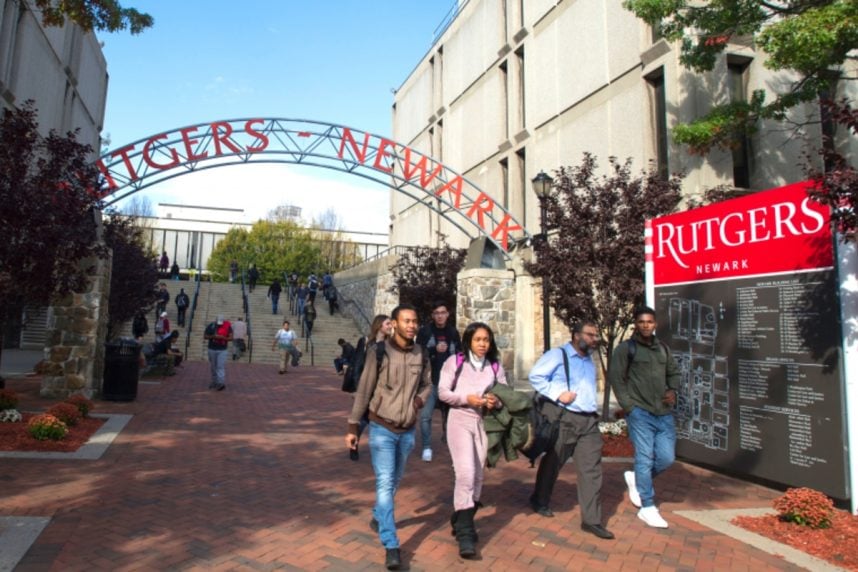
On Friday, outgoing New Jersey Gov. Phil Murphy (D) signed Assembly Bill 1715/Senate Bill 3184. The bill requires all public colleges, universities, and community colleges in New Jersey to “invite and facilitate” the presence of the Council on Compulsive Gambling of New Jersey (CCGNJ) on their campuses at least once a semester.
“Today’s signing demonstrates our continued commitment to promoting responsible gaming and supporting the well-being of students across New Jersey,” said Murphy. “By connecting campus communities with expert resources, we’re taking proactive steps to address gambling-related harm before it takes root.”
The CCGNJ is a nonprofit organization committed to educating the public about gambling risks, training professionals throughout the state to deal with gambling disorders, and referring problem gamblers and their families to treatment programs. The CCGNJ owns and operates 1-800-GAMBLER.
Sports Betting Fueling Addiction
New Jersey was responsible for the proliferation of legal sports betting expansion in the United States, as the state successfully fought the federal government in a legal saga that concluded in May 2018 with the US Supreme Court ruling that each state has the right to determine whether gambling on sports is allowed. The subsequent mainstreaming of sports betting and sportsbooks’ incessant advertising has resulted in many college-aged people developing gambling problems.
Sports have long been a way for people to connect and form community, but the rapid growth in online sports betting is having a deleterious effect on the well-being of our young adults,” said Angela Bethea, Acting Secretary of Higher Education in New Jersey. “This law ensures New Jersey’s public institutions support students to responsibly engage and offers a resource on campuses to help educate students on the risks of using betting platforms.”
Research has highlighted that younger people are at heightened risk of compulsive gambling and struggle to break the habit once hooked. A study last year by Siena University in New York found that half of all men aged 18 to 49 have an active online sports betting account.
Finance guru Dave Ramsey opined last week that the fastest-growing addiction that is “destroying young men” is online sports gambling.
Smoking Inaction
Murphy, whose last day as governor is Jan. 20, took action on legislation aimed to help curb college problem gambling, but he folded on another pressing matter facing the state gaming industry in the ongoing allowance of casino smoking in Atlantic City.
A grassroots group of casino workers seeking a smoking ban called on Murphy during his lame duck days to solidify his legacy by “forcefully” requesting that the Democrat-controlled Legislature pass a casino smoking prohibition.
Murphy once supported the push to cease indoor casino smoking, but his support waned over the past year after the casino lobby pushed a narrative that forcing smokers outside would devastate gaming revenue and lead to thousands of job cuts.
No comments yet