
Mike Tyson’s Bout with STD and Other Memories from Sports Betting Legend Art Manteris
Posted on: February 2, 2026, 10:54h.
Last updated on: February 2, 2026, 11:42h.

- A new book from Las Vegas odds-making legend Art Manteris dishes about early prop-betting history, NBA scandals and gambling schemes
- It also reveals the surprise reason Buster Douglas beat Mike Tyson in 1990
- A Mayweather-Pacquiao tip sparked his concern about the disappearing lines between sports and betting
Boxing great Mike Tyson didn’t really lose to 42-1 underdog Buster Douglas in arguably the biggest upset in boxing history. According to a new book from former Las Vegas oddsmaker Art Manteris, the opponent who really knocked Iron Mike out was gonorrhea.
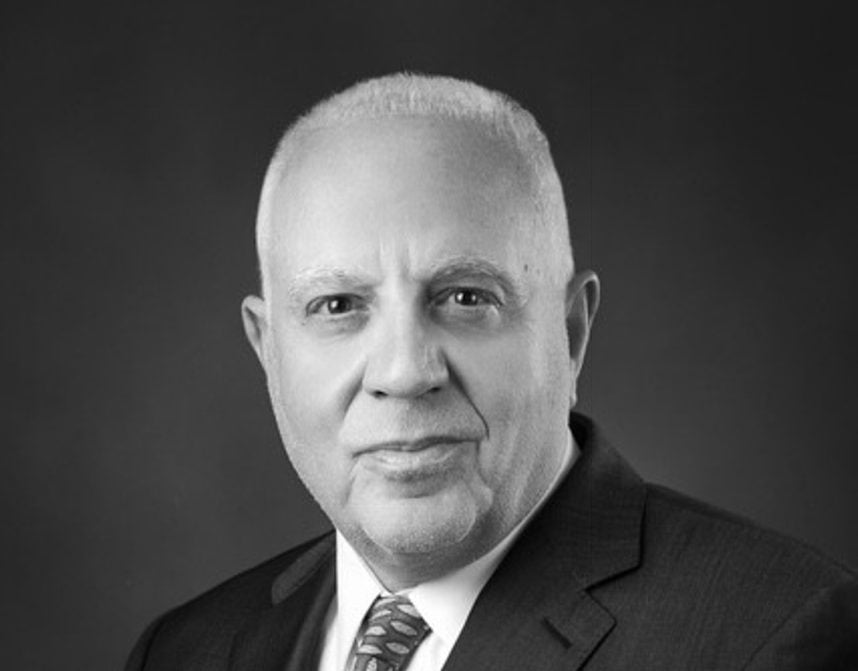
“Dr. Elias Ghanem was the chairman of the Nevada Athletic Commission, and my personal physician and friend, and also Mike’s personal physician and friend, and yeah, he told me,” Manteris told Casino.org.
“Mike was secretly being treated by a doctor who gave him heavy doses of a prescription medication before the fight, which contributed to Mike fighting the worst fight of his life that night.”
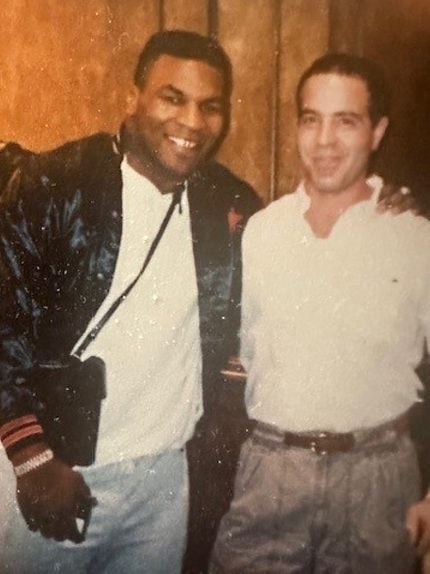
Manteris, 69, set betting odds at the Caesars Palace, the Las Vegas Hilton and Station Casinos in the pre-FanDuel and DraftKing days — back when Las Vegas was where fortunes were won and lost along with sports playoff games.
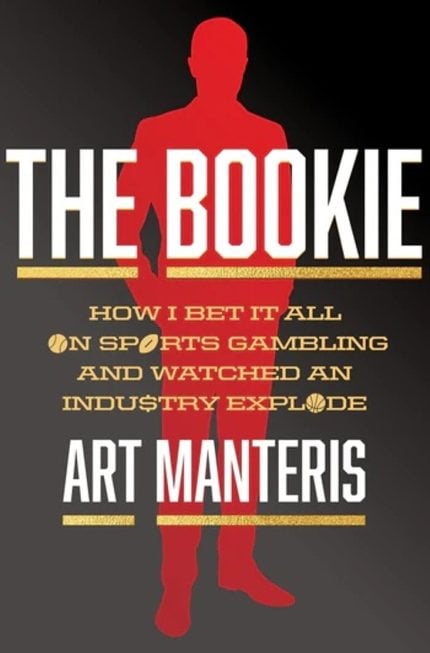
He drops this and other revelations in The Bookie: How I Bet it All on Sports Gambling and Watched an Industry Explode, now available on Amazon.
They include the NBA’s coverup of a 2008 internal report revealing that former referee Tim Donaghy fixed at least 25 games between 2005-2007, and a scheme he squashed — concocted by infamous gambler Billy Walters — which would have allowed him, golfer Phil Mickelson and billionaire Carl Icahn to gain access to early odds at the Hilton.
Prop-agation
Manteris is best known as the poster of what’s widely considered the first impactful sportsbook prop bet: a wager on whether William “Refrigerator” Perry would score in the 1986 Super Bowl, an idea pitched by sportsbook supervisor Jim Mastroianni and young Caesars Palace ticket writer Chuck Esposito.
Bettors swarmed the one‑sided prop, and Perry’s third quarter touchdown buried the book.
“We lost a quarter of a million dollars on a single bet, a huge amount at that time, and I was sick over it,” Manteris said. “How could we come up with such a dumb idea?”
The next day, Henry Gluck, the chair of Caesars’ parent company, called Manteris for the first time. He was sure it was to chew him out and send him walking.
“I was befuddled — he congratulated me,” Manteris said. “He said that they couldn’t have purchased the amount of publicity for Caesars Palace that that proposition brought them. He was thrilled, the marketing executives were thrilled. Everybody was happy about it except me, apparently.”
That single wager did more than score publicity for Caesars. Today, prop bets account for 60-70% of all Super Bowl tickets.
Inside Out
The Tyson-Douglas intel Manteris received was not insider information, by the way. Manteris didn’t discover that bombshell until years after February 11, 1990. But there was one time he did receive actionable information — just before Mayweather-Pacqiao on May 2, 2015 at the MGM.
Manteris had moved from the Hilton to Station Casinos in 2001.
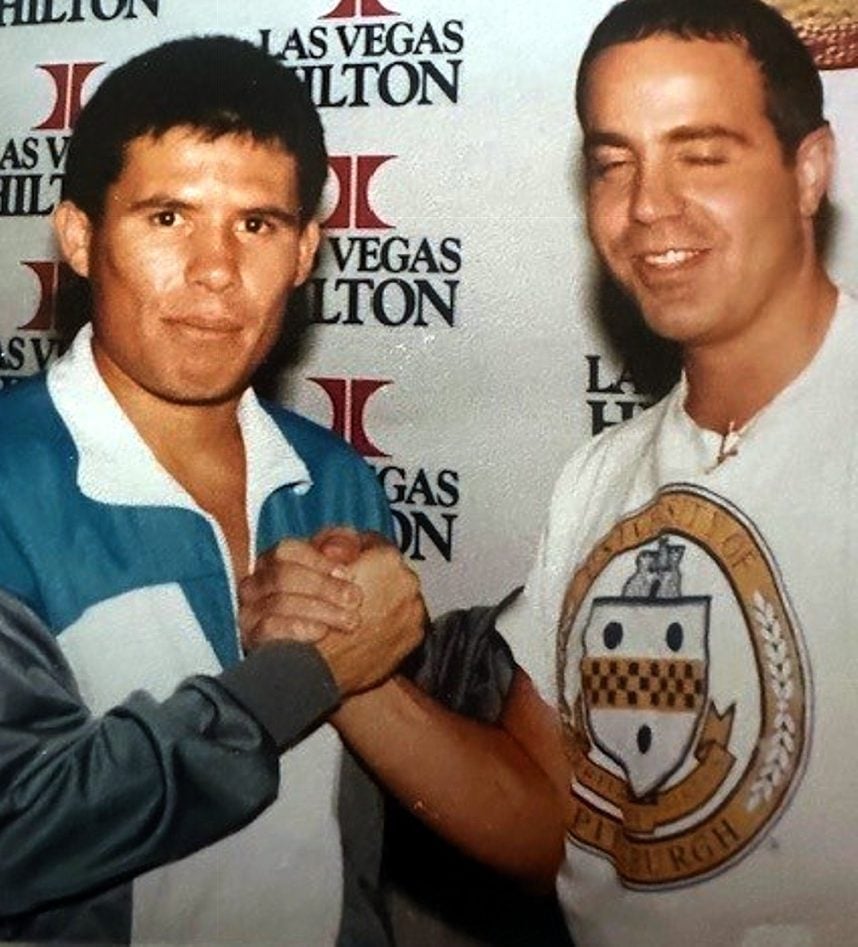
“I had a tip from a very credible source that Pacquiao was hurt and wasn’t right going into that fight,” he said.
Manteris moved Mayweather to minus 200 to protect the book, and the favorite won easily. But the situation rattled him.
“I was very involved in boxing promotions at the Hilton for a number of years and was instrumental in signing a lot of fights,” he said. “I was no longer involved, but what would I have done if I was? What if I was promoting that fight? Would I have told the public that one of the fighters was not 100% or would I have just kept my mouth shut and kept moving forward with the event?”
He says the ethical quandary stayed with him.
“There was no doubt in my mind after that fight, there needed to be a very clear separation between gambling on sports and participation in sports. My position has never changed. I’ve always been a very strong advocate about the legitimacy and credibility of sports.
“But the leagues’ position has changed. And that line between participation in sports and gambling on sports, as far as I’m concerned, no longer exists. It’s not a blurry line. It’s gone, and that really bothers me.”
No comments yet