
Virginia Skill Games Bill Passed by General Assembly Has No Minimum Payout Requirement
Posted on: March 16, 2026, 08:59h.
Last updated on: March 16, 2026, 09:01h.

- Virginia skill games could soon return after the General Assembly compromised on a bill
- The skill games would not require a minimum payout rate
- There are many critics of allowing gaming machines on every street corner in the commonwealth
The Virginia General Assembly was busy over the weekend ahead of its Sunday adjournment for the 2026 session.
Lawmakers passed numerous bills in the final hours of the lawmaking period, including two measures that would further expand gambling in the commonwealth. Fairfax County has been designated as an eligible host locality for a casino, a controversial measure that the local government there doesn’t want.
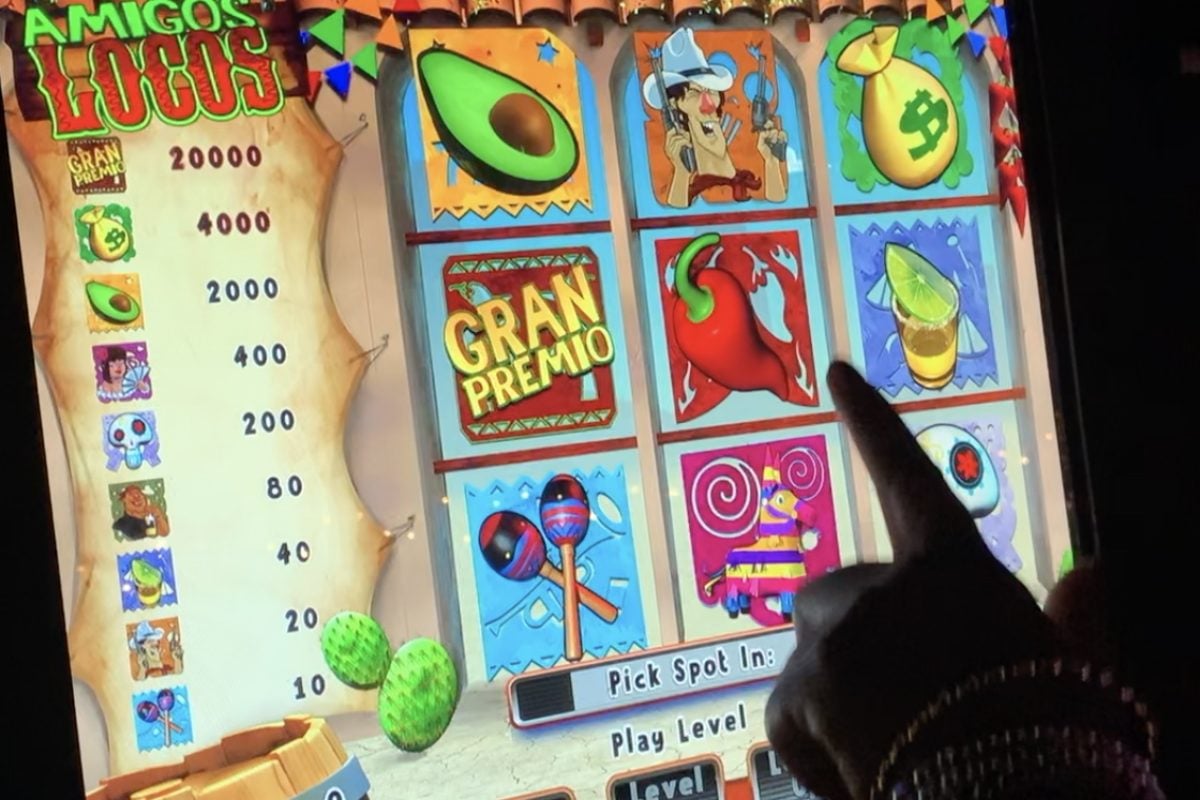
Senate Bill 661, led by Sen. Aaron Rouse (D-Virginia Beach), would allow skill games to return to small businesses like restaurants and bars, convenience stores, gas stations, and truck stops. The bill to bring back the slot-like terminals, which were temporarily authorized after the COVID-19 pandemic to provide subsequent revenue for small businesses, gained support in both the Senate and House of Delegates.
The chambers, however, differed greatly in the regulatory conditions under which skill games would be subjected. A Joint Conference Committee met several times to reach mutually acceptable terms that would satisfy both chambers.
Among the most concerning agreements is that the games are not forced to have a minimum payout percentage. Slot machines in Virginia’s five casinos must pay out at least 84%.
“There is no hard-coded minimum or maximum payout percentage,” the final version of SB661 reads.
Virginia Skill Gaming Bill
The final version of Senate Bill 611 sent to Gov. Abigail Spanberger’s (D) desk additionally requires that the Virginia Lottery Board inspect all electronic skill games before they are offered for play. The Board shall not approve more than 25,000 skill games across the commonwealth.
No business that’s within 10 miles of a casino can host skill games. All public schools are prohibited from housing skill games, and no machines that “adversely affect or interfere” with the normal, orderly conduct of such schools shall be allowed.
Virginia skill games will have a max bet of $5, and max wins will be programmed to $4,000. The skill game bill sets the minimum age to play at 21.
Virginia will tax gross revenue from skill games at 25%. The state’s tax benefit will be allocated to the Gaming, Commerce, and Development Fund.
From there, the Gaming Commerce and Development Fund will direct 75% of the skill game money to the General Fund, 15% to the Department of Taxation for distribution to the locality in which the host location operates, 6.5% to the Virginia Lottery Board, 2.5% to the Problem Gambling Treatment and Support Fund, and 1% to Department of State Police.
There are many critics of allowing gaming machines on street corners in the commonwealth. Virginians Against Neighborhood Slot Machines says such machines prey on vulnerable populations, increase underage gambling, and tempt problem gamblers.
The Virginia Council on Problem Gambling has similar concerns.
While our organization does not take a position for or against legalized gambling, we believe the lack of controls in a non-casino environment raises serious concerns about minors accessing these devices. Given the ubiquitous nature of skill games, children will be exposed in their daily lives at convenience stores, restaurants, and gas stations, where enforcement of age limits is tenuous,” the VCPG wrote Spanberger in January.
“This is particularly troubling because research indicates that early exposure and participation in gambling can be a risk factor for developing a gambling problem later in life,” the VCPG added.
Will Governor Spanberger Sign?
Spanberger has indicated she would consider additional forms of gambling in the commonwealth, provided the state establishes a unified regulatory agency.
A measure to fund such a gaming commission, House Bill 271, is being carried over to the 2027 session after passing the House but stalling in the Senate. A proposal to create a gaming commission funded by tax revenue from the legalization of iGaming was also shelved.
Spanberger will review two bills passed by the General Assembly that seek to expand gaming without a central body to govern the many forms of commercial gambling now operating in the commonwealth. Virginia has allocated oversight of casinos and sports betting to the Virginia Lottery Board, an agency that’s now overburdened, according to some in Richmond.
No comments yet