
Peoria Seeks Stay in Illinois Gaming Board Approving Par-A-Dice Redevelopment
Posted on: February 4, 2026, 09:25h.
Last updated on: February 4, 2026, 09:25h.

- Does a water basin underneath a casino constitute riverboat gambling?
- City attorneys in Peoria say Boyd Gaming’s Par-A-Dice redevelopment violates the Illinois Riverboat Gambling Act
The City of Peoria is seeking a court-issued stay preventing the Illinois Gaming Board (IGB) from voting on a proposed redevelopment of Boyd Gaming’s Par-A-Dice Hotel Casino in East Peoria.
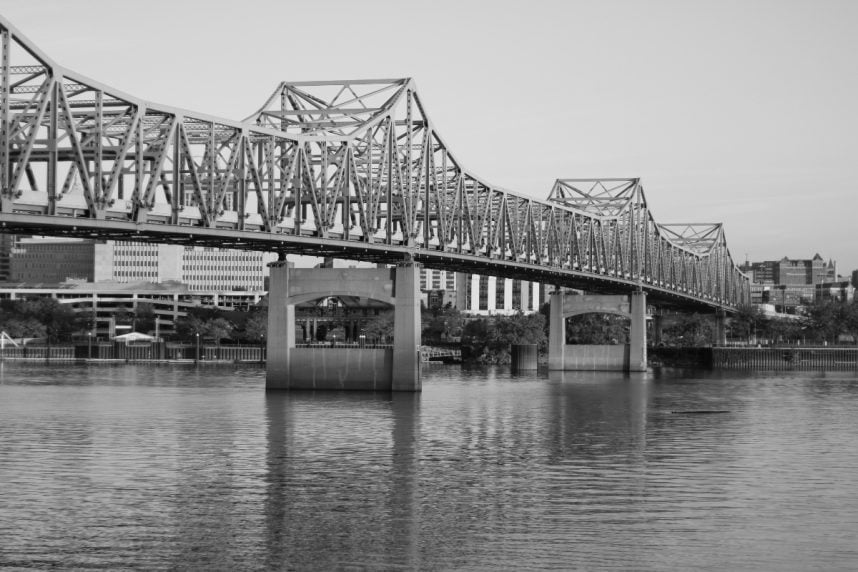
A day after the Peoria City Council’s split decision rejected an agreement for the city to lift its objections over Boyd’s $160 million project to move the riverboat inland to what’s essentially a brick-and-mortar facility, city attorneys filed a lawsuit seeking a temporary restraining order.
The litigation asks a Cook County judge to halt the IGB’s final consideration of the Par-A-Dice redevelopment tomorrow, Feb. 5. The state gaming regulators are expected to vote on whether to approve Boyd’s so-called “modernized riverboat” that includes 29K-square-foot casino with an underground 1,000-gallon water basin.
The lawsuit, along with the IGB, names the City of East Peoria, Par-A-Dice Gaming Corporation, and Boyd Gaming as defendants. Peoria city attorney Patrick Hayes told the council on Monday that “there is a significant risk that the Board will approve Boyd’s proposal.”
City Claims
On Monday night, the Peoria City Council rejected Boyd’s offer of 2.25% of all nongaming revenue it generates at the new Par-A-Dice Hotel Casino. The offer was designed to win over city councilors, who have sought to bring the casino west across the Illinois River to allow Peoria to benefit from the facility’s property, sales, food and beverage, and amusement taxes.
A 1991 intergovernmental agreement between Peoria and East Peoria stipulates that all riverboat gaming will operate on the east side of the river, while all land-based gaming must operate in Peoria. The two cities have always shared the 5% local gaming tax the casino generates.
Boyd’s 2.25% nongaming olive branch was projected to deliver Peoria about $1.8 million annually. Five city councilors said the deal wasn’t enough for Peoria to cease its claims that Boyd is essentially trying to build a land-based casino in East Peoria.
We feel that Boyd’s redevelopment plan violates the Illinois Riverboat Gambling Act and the intergovernmental agreement with East Peoria,” Peoria City Manager Patrick Urich told CIProud.
While Illinois legalized land-based casinos in 2019, Peoria, East Peoria, and Boyd Gaming each acknowledge that a brick-and-mortar gaming floor cannot operate in East Peoria.
What Is Riverboat Gambling?
Here’s what the Illinois Riverboat Gambling Act says:
“Riverboat gambling conducted pursuant to this Act may be authorized upon any water within the State of Illinois or any water other than Lake Michigan which constitutes a boundary of the State of Illinois.”
While a small water basin might satisfy that condition, the following text might present more concerns for Boyd’s project.
“‘Riverboat’ means a self-propelled excursion boat, a permanently moored barge, or permanently moored barges that are permanently fixed together to operate as one vessel, on which lawful gambling is authorized and licensed as provided in this Act.”
No comments yet