
CFTC Enforcement Director Suggests Prediction Markets Bear Regulatory Responsibility to Rid Insider Trading
Posted on: April 1, 2026, 01:46h.
Last updated on: April 1, 2026, 01:46h.

- Prediction markets licensed and regulated by the CFTC must work to eradicate insider trading
- Limiting insider trading on prediction markets is a primary concern at the CFTC
Cracking down on inside trading activity on federally regulated prediction markets is a paramount priority, so says the recently appointed director of enforcement at the Commodity Futures Trading Commission.
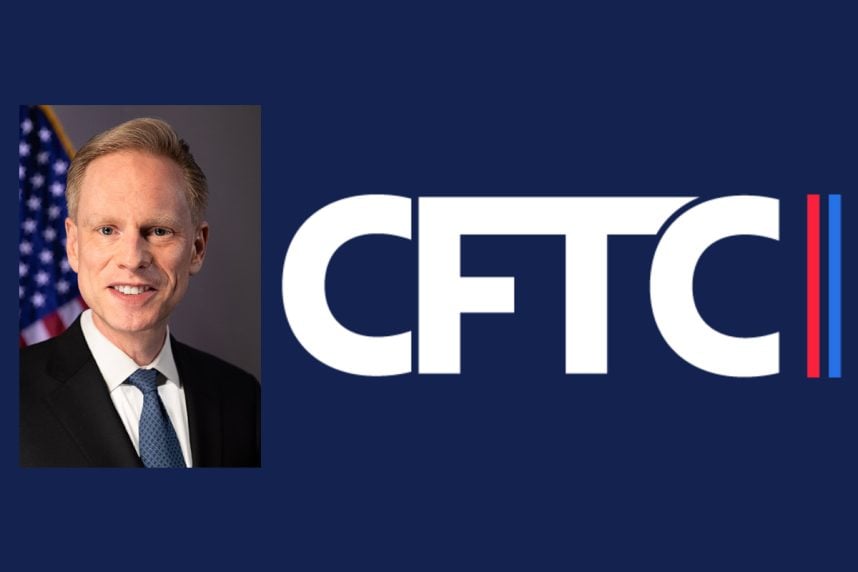
Michael Selig, President Donald Trump’s hand-picked chair of the CFTC, named David Miller as director of enforcement of the independent federal agency in early March.
Miller, a former assistant US attorney in New York’s Southern District, where he served as a member of the office’s Securities and Commodities Fraud Task Force, says eradicating insider trading from prediction markets is among his top priorities.
“I take insider trading extremely seriously. Insider trading in the prediction markets, where there is misappropriated information, is precisely the kind of serious violation that we are going after vigorously. We will aggressively detect, investigate, and, where appropriate, prosecute insider trading in the prediction markets,” Miller said Thursday at a CFTC enforcement event at NYU School of Law.
Prediction markets allow traders to buy and sell shares of future outcomes. Such exchanges have traditionally dealt in commodities speculation, but more recently, platforms like Kalshi have offered trading contracts on the outcomes of everything from elections to tonight’s NBA games.
Operator Responsibility
Miller seemed to suggest that prediction markets bear at least some of the regulatory responsibility in ensuring that their platforms aren’t used by insiders.
As we emphasized in our recent staff advisories and our notice of proposed rulemaking on prediction markets, exchanges have important obligations under our core principles relevant to insider trading and market manipulation. These include obligations to have appropriate surveillance, compliance practices and procedures, promote fair and equitable trading, protect markets from abusive practices, and, importantly, to only list contracts that are not susceptible to manipulation,” Miller said.
He added that “exchanges doing their job” is an “essential part of the fight against market manipulation and insider trading.”
Privy Information
In recent weeks, a bounty of suspicious, well-timed and executed trades on prediction markets seemingly suggested that insiders with nonpublic information used their priviness for financial gain. DC insiders have allegedly been linked to some of the trades, with accounts established only hours before major recent events, including the bombing of Iran and the death of Ayatollah Ali Khamenei.
Miller told the NYU Law audience that the Commodity Exchange Act prohibits insider trading, including in prediction markets. But he says there’s a fine line in defining what is and isn’t insider trading.
Our markets are price-discovery markets, not disclosure-based markets. Market participants are entitled to use their own knowledge and information to make trading decisions. For example, we want the farm cooperative that sees issues with a harvest to be able to hedge its position,” Miller said.
The top enforcement official at the CFTC explained that the agency will only prosecute cases against those “who tip or trade with misappropriated information.” But the CFTC “will prosecute aggressively where we find such manipulation.”
No comments yet