

Netflix Greenlights Eight Episode Series Featuring High-Stakes Vegas

The writers of “Rounders” and “Ocean’s Thirteen” have been given the reins of a new Netflix series set in Las Vegas and rarely have such glee-inspiring words been slapped together on the Internet.
The currently untitled series will be helmed by showrunners Brian Koppelman and David Levien, and will be executive produced by an up-and-coming filmmaker, Martin Scorsese.
What better for a newbie like Scorsese to earn his chops than a project featuring the world’s most thrilling place, Sin City?

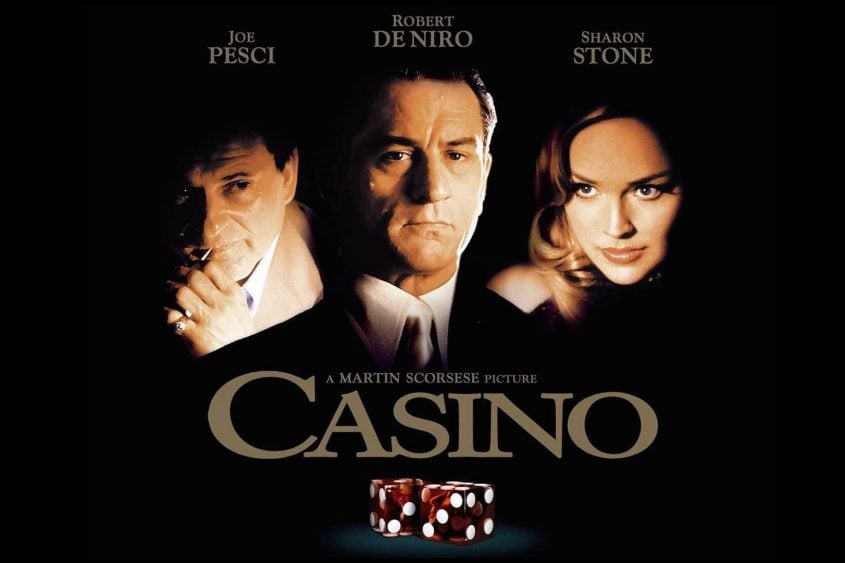
Kidding. Scorsese knows a little something about Vegas. He directed a little bauble named “Casino.” Perhaps you’ve heard of it.
Here’s what Netflix says about this new limited series: “The hourlong drama is set in the high-stakes, sharp-elbowed present-day Las Vegas casino business, which is a modernized but still dangerous version of the legendary city. At the center of which stands Robert ‘Bobby Red’ Redman, president of the hottest hotel casino in town, who has to make some long odds moves to try and secure his position and take more ground.”
Sharp elbows are the new character arcs, so this should be interesting.
It sounds like we’re going to get a romanticized version of the Las Vegas casinos, because the reality is the business is overwhelmingly run by suits now, with lots of regulatory scrutiny and so, so many rules that make the business a lot less compelling than it was in “Casino.”
Here’s a typical conversation in the high-stakes, sharp-elbowed present-day Las Vegas casino business.
Casino executive #1: “I’d like to make some forward-looking statements on the next earnings call.”
Casino executive #2: “You’re talking about things within the meaning of the Private Securities Litigation Reform Act of 1995, as amended.”
Casino executive #1: “Yes, they involve risks and/or uncertainties.”
Casino executive #2: “It goes without saying forward-looking statements can be identified by the use of forward-looking terminology such as ‘believes,’ ‘expects,’ ‘could,’ ‘may,’ ‘will,’ ‘should,’ ‘seeks,’ ‘likely,’ ‘intends,’ ‘plans,’ ‘pro forma,’ ‘projects,’ ‘estimates’ or ‘anticipates’ or the negative of these words and phrases or similar words or phrases that are predictions of or indicate future events or trends and that do not relate solely to historical matters.”
Casino executive #1: “Obviously.”
Casino executive #2: “Forward-looking statements depend on assumptions, data or methods that may be incorrect or imprecise, and the Company may not be able to realize them. Among the important factors that could cause actual results to differ materially from those indicated in such forward-looking statements include risks related to the economic and market conditions in the markets in which the Company operates and competition with other destination travel locations throughout the United States and the world, the design, timing and costs of conversion or expansion projects, risks relating to domestic and international operations, permits, licenses, financings, approvals and other contingencies in connection with growth in new or existing jurisdictions and additional risks and uncertainties described in the Company’s Form 10-K, Form 10-Q and Form 8-K reports (including all amendments to those reports). In providing forward-looking statements, the Company is not undertaking any duty or obligation to update these statements publicly as a result of new information, future events or otherwise, except as required by law. If the Company updates one or more forward-looking statements, no inference should be drawn that it will make additional updates with respect to those other forward-looking statements.”
Casino executive #1: “If this conversation is ever depicted in a Netflix series, I think Brad Pitt should play me.”
So, yeah, there’s going to be a lot of dramatic license taken, thank god.
Brian Koppelman and David Levien know their stuff. They did “Billions” for Showtime (it ran for seven seasons), “Super Pumped: The Battle for Uber” for Showtime, “The Illusionist” back when people went to movie theaters and “This Is What They Want” for ESPN.
Yeah, it’s mostly about “Rounders” and “Ocean’s Thirteen.”
Also involved in the project is the duo’s producing partner Paul Schiff who produced “Rushmore.” Beyond Scorsese and his Sikelia Productions, there are also Julie Yorn and Rick Yorn for Expanded Media, and “Billions” writer-producer Beth Schacter, as well as Kerry Orent, executive producer of the Prime Video limited series, “The Better Sister.”
No announcement has been made about a timeline for production of the Vegas-based series, but we hope they spend some time on the script.
“Casino” was great not just because of the talent onscreen; the movie also had the benefit of being based upon 1) reality and 2) the book “Casino: Love and Honor in Las Vegas” by Nicholas Pileggi, who also co-wrote the script.
The reason most movies and TV shows about Las Vegas are based in the past is there were more whackings back in the day.
Movies and TV are visual mediums. “Casino” had a lot of words (including two-hour stretch of expositional voiceover to kick off the festivities), but it also had compelling visuals, some of it violent. Action is visual. Board meetings and ribbon-cuttings, not so much.
When Las Vegas was in its formative years, characters abounded.
Now, it’s pretty much casino-owner Derek Stevens.
Otherwise, casino owners tend to be nice, smart guys, but financial expertise isn’t cinematic.
There are no swashbuckling visionaries or colorful hustlers anymore.
There’s no Jay Sarno, no Bugsy Siegel or Meyer Lansky, no Benny Binion.
There’s no organized crime, unless you’re talking about slot vultures.
There’s no real “danger” in the casino business anymore. It’s marketing, REITs and celebrity licensing deals.
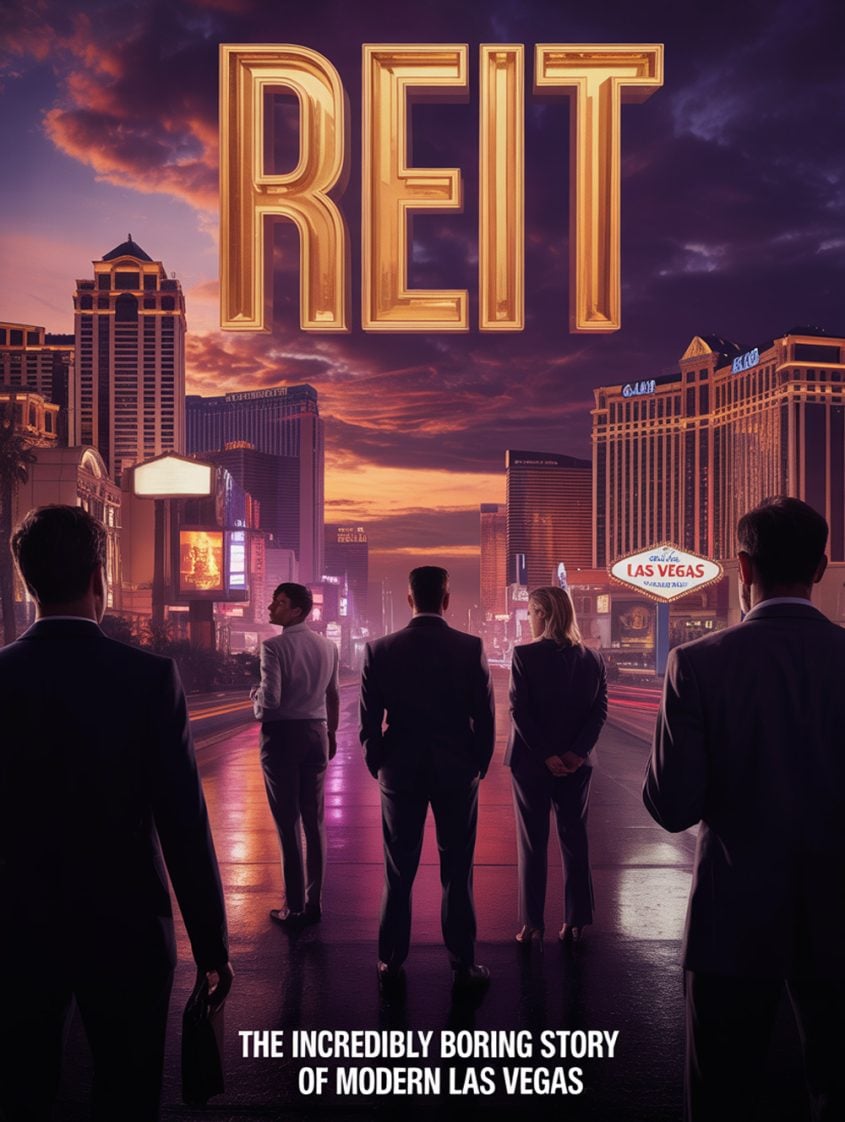
So, basically, the writers of this new series are going to have to make stuff up.
Still, if done right, any story that happens in Las Vegas is inherently more interesting than a story taking place anywhere else.
“Casino” was great because Nicholas Pileggi got past the surface of the casino business and helped Martin Scorsese show the world what casinos were really like when Las Vegas was an “open city” and mobsters treated it like their personal ATMs.
Streaming services are the new networks, and Netflix has a proven track record of delivering breakout series like “The Crown,” “Ozark,” “Stranger Things,” “Squid Game” and others.
For “Billions,” Brian Koppelman and David Levien researched extensively for years, interviewing hedge fund titans, venture capitalists and billionaires studying their business strategies and interpersonal dynamics to create realistic characters.
We don’t want to wait years for this new series, but getting inside the casino business today could be enlightening, even without any whackings.
You’ll hear more when we do.





Leave your thoughts on “Netflix Greenlights Eight Episode Series Featuring High-Stakes Vegas”
2 Comments